
Where we file your entries
A licensed brokerage files nationally. What changes from port to port is everything that happens around the filing.
Licensed U.S. customs brokerage. Customs broker of record; movement coordinated through vetted partners.
A licensed U.S. customs broker holding a national permit can file entry for cargo arriving at any U.S. port of entry, with no office at that port. What changes from port to port is not the filing. It is how examinations are routed, which facility holds cargo that gets pulled, how long a container waits for a chassis and a driver, and which FDA district reviews the entry.
Key takeaways
- A national permit covers every U.S. port of entry.
- What differs locally is examination routing, cargo handling and timing.
- We are the customs broker of record; movement runs through vetted partners.
- New York/Newark and Los Angeles/Long Beach are where we work most heavily.
- Elsewhere we file the entry and coordinate with partners on the ground.
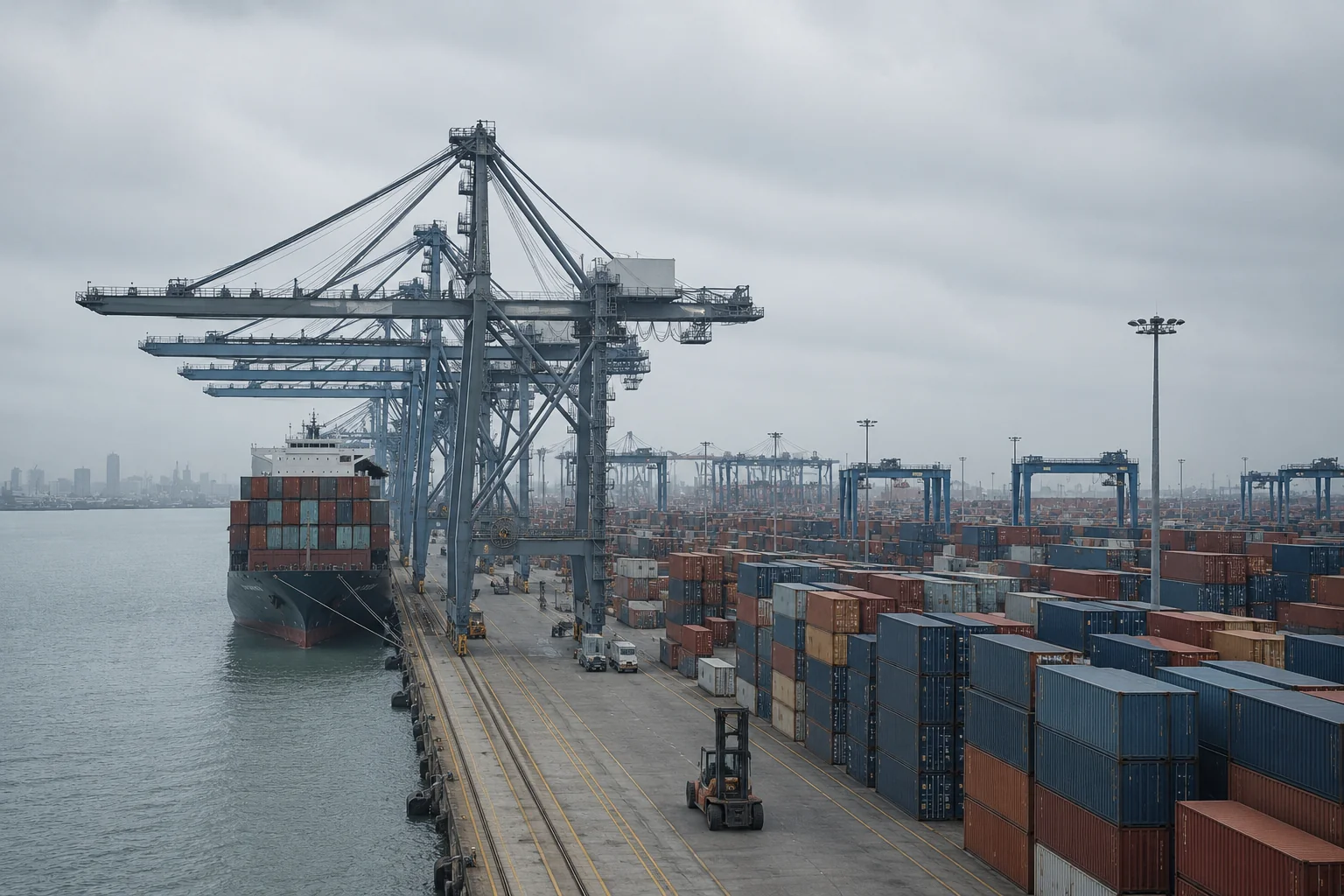
What a national permit actually means
Customs brokers are licensed federally. A broker holding a national permit may transact business at any port of entry in the United States, which is why the question importers usually ask — do you have an office at my port — is rarely the question that decides anything.
Entry is filed electronically. The broker does not need to stand on the terminal to submit it, and having a storefront near the gate does not make a classification correct or a prior notice complete.
Where local knowledge genuinely matters
It matters when something goes wrong. A container referred for examination goes to a specific facility, on that facility's schedule, and the cost of the referral depends on how quickly it can be moved, opened, held and returned. Those relationships are local and they are the reason this page exists at all.
It also matters for regulated cargo. FDA reviews entries through district offices, and the mix of commodities arriving at a port shapes what that office sees most and how it responds.
What we don't claim
We work most heavily through New York/Newark and Los Angeles/Long Beach, and those pages go into real detail because there is real detail to give.
The remaining ports are coverage. We file entries there, we coordinate with partners on the ground, and we say so plainly rather than writing a page that implies a terminal presence we do not have. An importer who needs someone standing at the gate is better served knowing that up front.
We file the entry and coordinate on the ground.
Questions
Do I need a customs broker located at my port?
No. A broker with a national permit can file entry at any U.S. port of entry. Where a local presence helps is in moving cargo that has been pulled for examination, and that is handled through partners at the port.
Can you clear cargo at a port not listed here?
Yes. The list covers the ports we work through most often. Filing is national, so tell us the port and we will say plainly what we can coordinate there and what would run through a partner.
Does the port change what my entry costs?
The entry itself does not change. What varies is the cost of anything that happens to the cargo locally — storage, drayage, examination handling — and those are port and terminal specific.
Do you handle the trucking as well?
We are the customs broker of record. Drayage, warehousing and movement are coordinated through vetted partners rather than performed by us, which we would rather state than blur.
Tell us what you're importing.
Commodity, origin, port and arrival date is enough to start.