
A brokerage built around the entry, not the invoice
We are a licensed U.S. customs brokerage. We classify goods, calculate what an entry will cost, file it with CBP, and stay with it through queries, exams and release — for importers moving anything from machinery to refrigerated food.
Licensed U.S. customs brokerage. Customs broker of record; movement coordinated through vetted partners operating under their own authority.
What we do
A customs entry is a legal declaration. It states what the goods are, what they are worth, where they came from, and which rules apply to them. Get it right and the cargo moves. Get it wrong and the importer carries the cost — in duty overpaid, in penalties, or in a container sitting at a terminal accruing storage while somebody works out what went wrong.
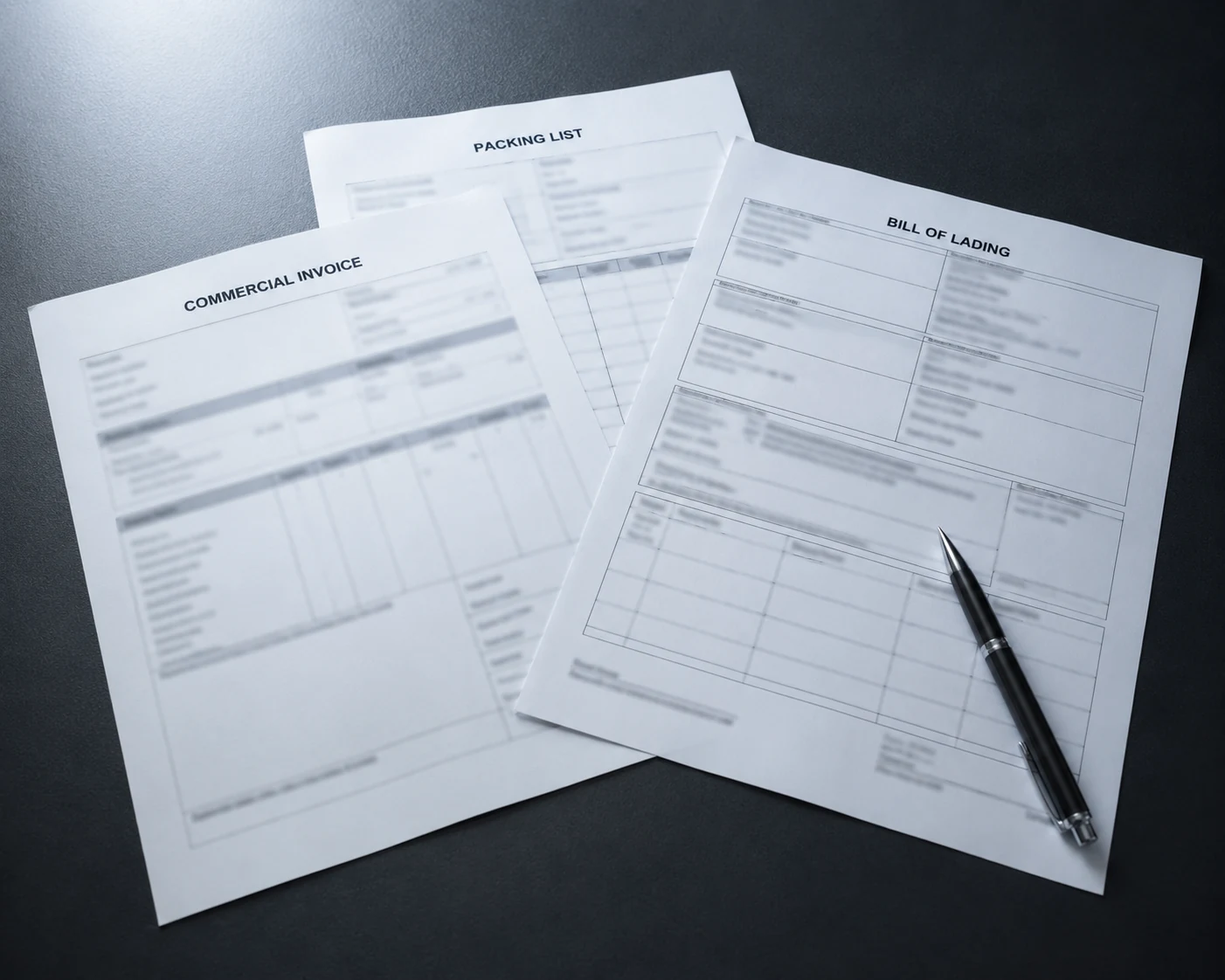
Retro Customs Brokers prepares and files those declarations. We handle tariff classification, duty and fee calculation, customs bonds, importer setup, document review, and coordination with carriers, forwarders, warehouses and examination sites. We file for every commodity type — consumer goods, machinery, apparel and textiles, furniture, electronics, industrial materials — at any U.S. port, electronically.
Where we go further than most
Some shipments answer to more than one agency. Food, beverages, dietary supplements, cosmetics, medical devices, OTC products, pet food and ingredients are reviewed by FDA at the border, and that review carries its own data set: product codes, registration details, affirmations of compliance, Prior Notice, FSVP information.
Those entries are where brokers most often come unstuck, because the customs side can be perfectly correct while the agency side is incomplete. We handle both in the same filing rather than transmitting and hoping. It is the part of the work we know best — but it is a specialism within customs brokerage, not a separate business.
How we work
Compliance first, always
The importer of record carries the liability for an entry, not the broker and not the carrier. That shapes how we file. We would rather ask an awkward question before transmission than defend a classification afterwards, and we will tell you when something in a shipment looks wrong even if it delays the filing.
You speak to the person filing your entry
No ticket queue, no account manager relaying messages to an operations team you never meet. When something changes on your shipment, you hear it from the person who prepared the entry.
Problems surface early
Most delays are avoidable and most become expensive only after the cargo lands. We review documents when a shipment is booked, not when it arrives, because a classification question costs nothing to resolve at sea and a great deal to resolve on the ground.
Who we work with
First-time importers who need setting up properly. Established importers who have outgrown a broker that treats every entry as a transaction. Freight forwarders who need brokerage support on cargo their usual filer will not touch. And Amazon and e-commerce sellers who discovered that compliance is not optional once volume arrives.
- Importers of record establishing a customs bond and filing history for the first time
- Businesses importing regulated products that have been held, examined or detained before
- Companies with mixed portfolios that would rather consolidate routine and difficult entries with one broker
- Forwarders and 3PLs needing a brokerage partner on complex cargo
National coverage, no branch offices
Entries are transmitted electronically, so the arrival port does not determine who can file. What changes by port is the ground handling — which terminal, which examination site, which warehouse, which trucker. We coordinate that locally at each gateway and we do not claim an office where we do not have one. We file entries at every U.S. port of arrival, and our drayage relationships are strongest at Port Newark and the Port of Los Angeles. Other frequently served gateways include Miami, Port Everglades, Miami International Airport, Long Beach, Houston, Savannah, Charleston, and Chicago air cargo.
Outside our scope
Some import problems are regulatory rather than procedural — a lapsed registration, a labelling question, a product-listing correction. Those sit outside customs brokerage, and where one arises we will say so rather than billing you to work on something we are not the right people to fix. Additional assistance can be coordinated through affiliated service providers where appropriate.
How we fit with your logistics
Most importers already have a forwarder, a trucker and a warehouse they are happy with. We file the entry alongside them and coordinate the timing, and nothing about those relationships needs to change.
Where an importer would rather not assemble a supply chain themselves, we coordinate the movement through a network of vetted providers — ocean NVOCCs, an air freight forwarder, drayage operators at our main ports, a warehouse and transloading partner, and a domestic trucking network. You get a single point of contact and one company watching the entry and the cargo together.
We are precise about what that is. Retro Customs Brokers is the customs broker of record. Freight is carried and forwarded by licensed partners operating under their own authority, and we do not present ourselves as the underlying carrier or forwarder. What we contribute is the coordination — which is where most import delays actually originate, in the handover between the party moving the cargo and the party filing the entry.
Licensed oversight
Entries are filed under a licensed customs broker, and the brokerage operates under a national permit allowing entries to be transmitted at any U.S. port of arrival.
A corporate brokerage is required to maintain responsible supervision and control over its customs business. In practice that means a licensed broker reviews the work, sets how classifications are decided, and carries responsibility for what is transmitted — rather than entries being filed by whoever is available. It is a compliance obligation, and it is also the reason our classifications stay consistent across repeat shipments.
What we do not do
We are not a government agency, and we do not own vessels, aircraft, trucks or warehouses. Where physical handling is needed it is performed by our partners or by providers you already use.
Retro Customs Brokers is an independent customs brokerage service and is not affiliated with or endorsed by the U.S. Food and Drug Administration, U.S. Customs and Border Protection, or any other government agency. FDA and CBP retain sole authority over entry, examination, sampling, release, detention, refusal, enforcement, and admissibility decisions.
Tell us what you're importing.
Commodity, origin, port and arrival date is enough to start. You'll get a clearance quote and a note on anything likely to hold the entry up.