
Frozen and refrigerated food imports
With ambient cargo a delay costs money. With a reefer container it can cost the entire shipment.
Licensed U.S. customs brokerage. Customs broker of record; movement coordinated through vetted partners.
Frozen and refrigerated food import clearance covers temperature-controlled food shipments where the customs entry, the FDA data and the physical cold chain all have to work together. Because the cargo deteriorates if the chain is broken, entry preparation must be complete before arrival and terminal coordination has to be arranged rather than assumed.
Key takeaways
- Reefer containers need power at the terminal, and that has to be arranged.
- A hold on temperature-controlled cargo carries product risk, not just storage cost.
- Entry data should be complete before arrival, not prepared on arrival.
- Cold storage capacity is finite and needs booking ahead of need.
- Some products require specific temperature documentation.
Why timing is different here
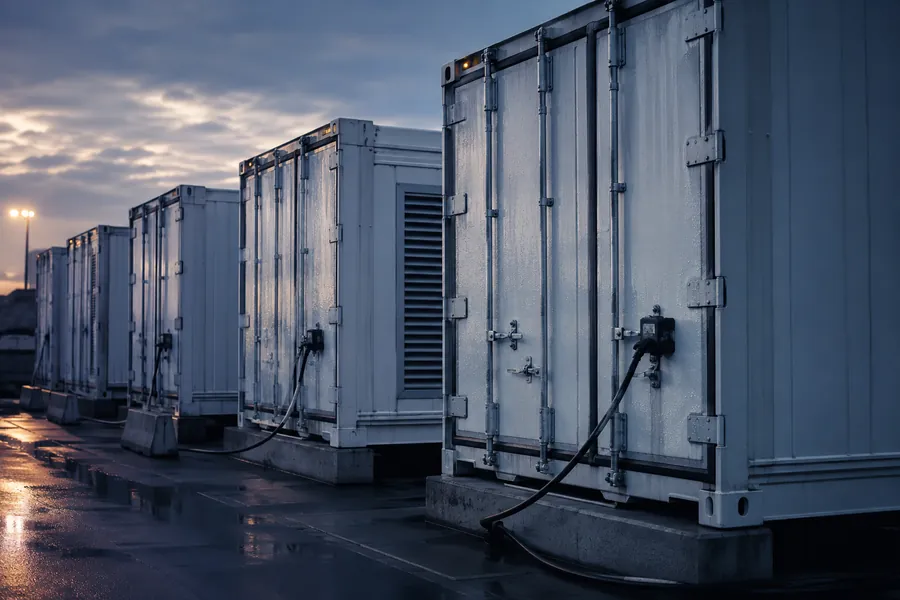
An ambient container sitting for four days is a demurrage problem. A reefer container sitting for four days is a demurrage problem, a power problem and potentially a total loss. That changes what preparation is worth: everything that can be done before arrival should be.
Coordination is the whole job
Power at the terminal. A cold-storage facility with space when you need it. A refrigerated truck available at the moment of release rather than the next morning. If FDA examines the shipment, an exam site able to handle temperature-controlled cargo. Each of those is a booking, and each one has to be made before it is needed.
How it works
-
01
Entry prepared pre-arrival
Classification, FDA data and Prior Notice complete before the vessel lands.
-
02
Terminal power confirmed
Reefer plug-in arranged rather than assumed.
-
03
Cold storage reserved
Capacity booked in advance, sized to the likely dwell time.
-
04
Release timed
Refrigerated transport arranged against actual entry status.
-
05
Exam contingency held
If an examination is ordered, a temperature-capable site identified.
Common mistakes
- Assuming terminal power is automatic. It is a service that must be arranged.
- Booking cold storage after arrival. Capacity is finite and often full.
- Incomplete entry data at arrival. With reefer cargo the margin for correction is gone.
- Standard trucking on release. A dry van breaks the chain in one journey.
- No plan for an examination. Exams happen, and this cargo cannot wait comfortably.
Questions
What happens if my reefer container is held?
It stays powered at the terminal, accruing charges, while the review proceeds. The product risk depends on the commodity and the duration. This is the strongest argument for having entry data complete before arrival.
Who arranges power for a refrigerated container?
It is arranged with the terminal, and it is a service rather than a default. We coordinate it as part of the entry timing, along with the storage and transport that follow release.
Can cold-chain cargo be examined?
Yes. Where an examination is ordered, it needs a site able to handle temperature-controlled goods. We identify that in advance rather than at the point of notice.
How far ahead should documents be sent?
As soon as the shipment is booked. For temperature-controlled cargo the usual advice about early documents is not a preference — it is the difference between a delay and a loss.
Related
Tell us what you're importing.
Commodity, origin, port and arrival date is enough to start.