Industrial materials import clearance
Raw materials carry the heaviest trade-remedy exposure of any category. Steel and aluminium in particular are governed by measures that change with policy.
Licensed U.S. customs brokerage. Customs broker of record; movement coordinated through vetted partners.
Industrial materials import clearance covers customs entries for metals, chemicals, plastics, minerals and other raw or semi-finished inputs. This category carries the most extensive trade-remedy exposure in the tariff schedule — Section 232 measures on steel and aluminium, numerous antidumping and countervailing orders, and in some cases quota restrictions that limit what may enter.
Key takeaways
- Steel and aluminium are subject to Section 232 measures that change with policy.
- Numerous antidumping and countervailing orders cover specific materials and origins.
- Some materials face absolute or tariff-rate quotas.
- Chemicals may require notification to the EPA under TSCA.
- Derivative products can be covered even when the finished article is not obviously a metal product.
Trade remedies dominate
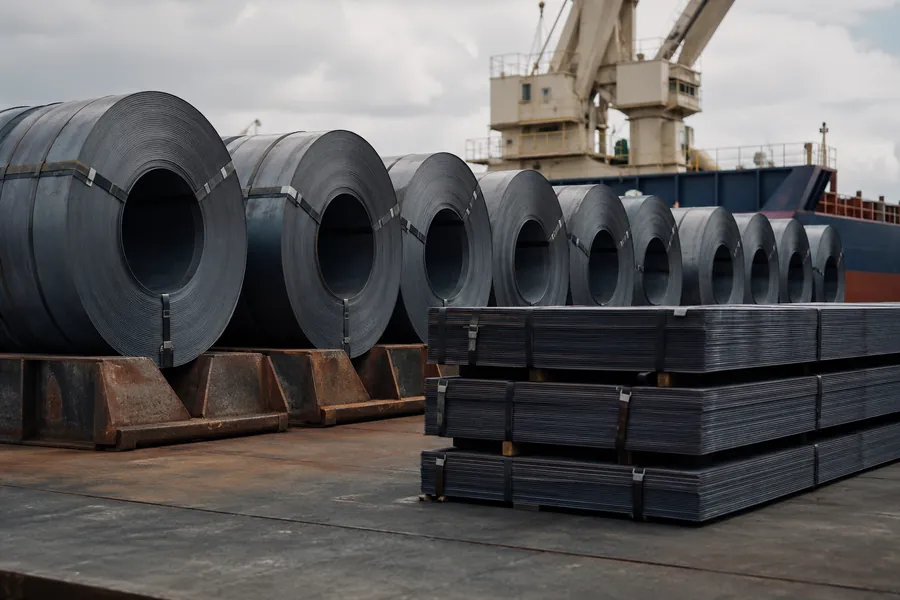
For most commodities, trade remedies are a possibility worth checking. For industrial materials they are the central consideration. Section 232 measures apply to a wide range of steel and aluminium articles and have been extended to derivative products, meaning goods that are not obviously metal products can still be covered.
Rates and coverage change with policy, so a position that was correct last year is worth reconfirming.
Other agencies
Chemical substances may require TSCA certification. Some materials face quota limits that determine whether entry is possible at all in a given period. These are not customs questions strictly speaking, but they reach the entry and they stop shipments.
How it works
-
01
Material specified
Exact composition, form, dimensions and intended use.
-
02
Section 232 exposure assessed
Whether the article or a derivative product is covered.
-
03
Trade-remedy orders checked
Antidumping and countervailing exposure by product and origin.
-
04
Quota and agency requirements confirmed
Availability, and TSCA or other certification where relevant.
-
05
Entry filed
With the supporting position documented.
Common mistakes
- Assuming derivative products are outside Section 232. Coverage has been extended well beyond raw metal.
- Relying on last year's duty position. Trade-remedy policy moves.
- Incomplete material specifications. Composition and form decide the code and the exposure.
- Overlooking TSCA on chemicals. Certification is required at entry.
- Ignoring quota timing. A closed quota means the goods cannot enter as planned.
Questions
What is Section 232?
Trade measures applied to certain steel and aluminium articles on national security grounds, imposing additional duties on covered products. Coverage has been extended to derivative products, so goods that are not obviously metal articles can still fall within scope.
How do I know whether a trade remedy applies?
It depends on the precise product, its composition and its country of origin. Send specifications before you commit to a purchase and we will assess the exposure — this is the category where doing so matters most.
What is a tariff-rate quota?
A mechanism allowing a set quantity to enter at a lower rate, with higher duty above that quantity. Some materials also face absolute quotas that cap entry entirely for a period. Timing therefore affects cost and feasibility.
Do chemical imports need EPA involvement?
Chemical substances may require TSCA certification at entry, confirming the substance is compliant with the relevant requirements. Which substances are affected depends on the material, and we flag it when reviewing the shipment.
Related
Tell us what you're importing.
Commodity, origin, port and arrival date is enough to start.