
Ingredient and raw material imports
The same substance can be a food ingredient, a supplement component or an industrial input — and it is regulated differently in each case.
Licensed U.S. customs brokerage. Customs broker of record; movement coordinated through vetted partners.
Ingredient and raw material import clearance covers customs entries for bulk food ingredients, additives, flavourings and substances used in manufacturing. The defining complication is intended use: an identical substance may be classified and regulated differently depending on whether it is destined for food, supplements, cosmetics or industrial application.
Key takeaways
- Intended use affects both tariff classification and which rules apply.
- The same substance can require different product codes for different applications.
- Food ingredients require Prior Notice and FSVP like finished food.
- Some substances face additional restrictions or notification requirements.
- Documentation should state intended use explicitly rather than leaving it implied.
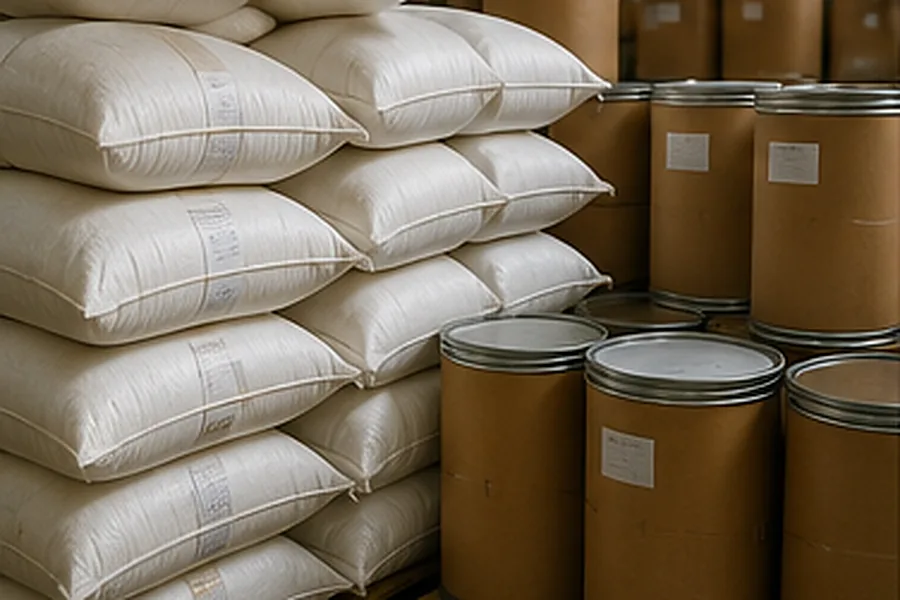
Intended use decides a great deal
A substance imported as a food ingredient carries food requirements. The same substance imported for industrial use may not, but may carry others. The entry has to reflect which it is, and the supporting documentation should say so rather than leaving it to be inferred.
Ambiguity here produces queries, because the reviewing authority cannot tell from a chemical name what the material is for.
Bulk shipments, concentrated risk
Ingredients typically move in large quantities of a single substance. That concentrates the consequence of an error — a classification mistake or a missing product code affects the whole container rather than one line of a mixed shipment.
How it works
-
01
Substance and use identified
What it is, and what it will be used for, stated explicitly.
-
02
Classification assigned
Tariff heading appropriate to the substance and its form.
-
03
Regulatory pathway confirmed
Which agency rules apply given the intended use.
-
04
Codes and affirmations matched
Product codes appropriate to the application.
-
05
Entry filed
With documentation that states intended use clearly.
Common mistakes
- Documentation silent on intended use. It is the fact that decides the pathway.
- Reusing a product code across applications. Same substance, different use, different code.
- Assuming bulk ingredients skip Prior Notice. Food ingredients are food.
- Generic chemical descriptions. They invite queries on high-volume shipments.
- No specification sheet. For ingredients it is the document that answers most questions.
Questions
Do food ingredients need Prior Notice?
Yes. Ingredients destined for food use are food for these purposes, so Prior Notice, product codes and FSVP coordination apply in the same way as for finished products.
How does intended use affect classification?
For some substances the tariff heading depends on the form and application. It also determines which regulatory requirements attach. Because the same material can go several ways, the entry needs to state which.
What documents does an ingredient shipment need?
Commercial invoice, packing list and transport document, plus a specification or technical data sheet describing the substance. For ingredients that specification answers most of the questions that would otherwise become queries.
Can one substance have different product codes?
Yes. The applicable code reflects what the material is and how it will be used. A substance destined for food and the same substance destined for another application can carry different codes.
Related
Tell us what you're importing.
Commodity, origin, port and arrival date is enough to start.