
Every entry, filed right the first time.
Retro Customs Brokers classifies, files and clears U.S. customs entries for importers across every commodity — and goes deeper than most on the regulated goods that agencies review at the border.
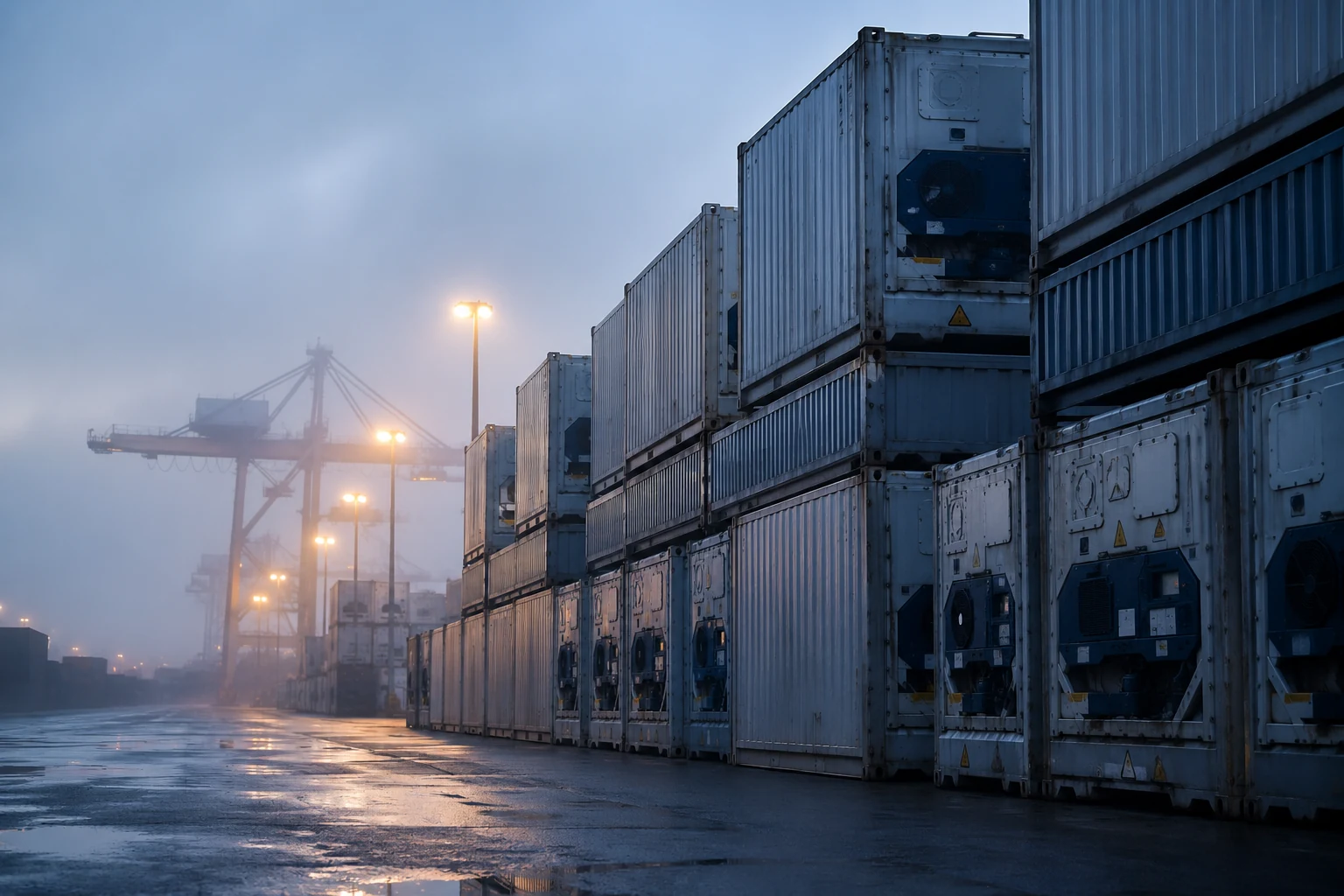
Any commodity, any U.S. port. Partner-agency data handled in the same filing.
-
Licensed
U.S. customs broker
License [INSERT CUSTOMS BROKER LICENSE NUMBER] -
National Permit
Entries filed electronically
at any U.S. port -
All Commodities
Consumer goods, machinery,
textiles, industrial materials -
Regulated Goods
FDA product codes, Prior Notice,
FSVP, holds and sampling -
Coordinated
Ocean, air, drayage, warehouse
and trucking partners
Most delays start with the entry, not the ocean
Any broker can transmit a declaration. What separates them is what happens before transmission and after: whether the classification holds up, whether the valuation is supported, whether the documents agree with each other, and whether anyone is watching the entry once it's filed.
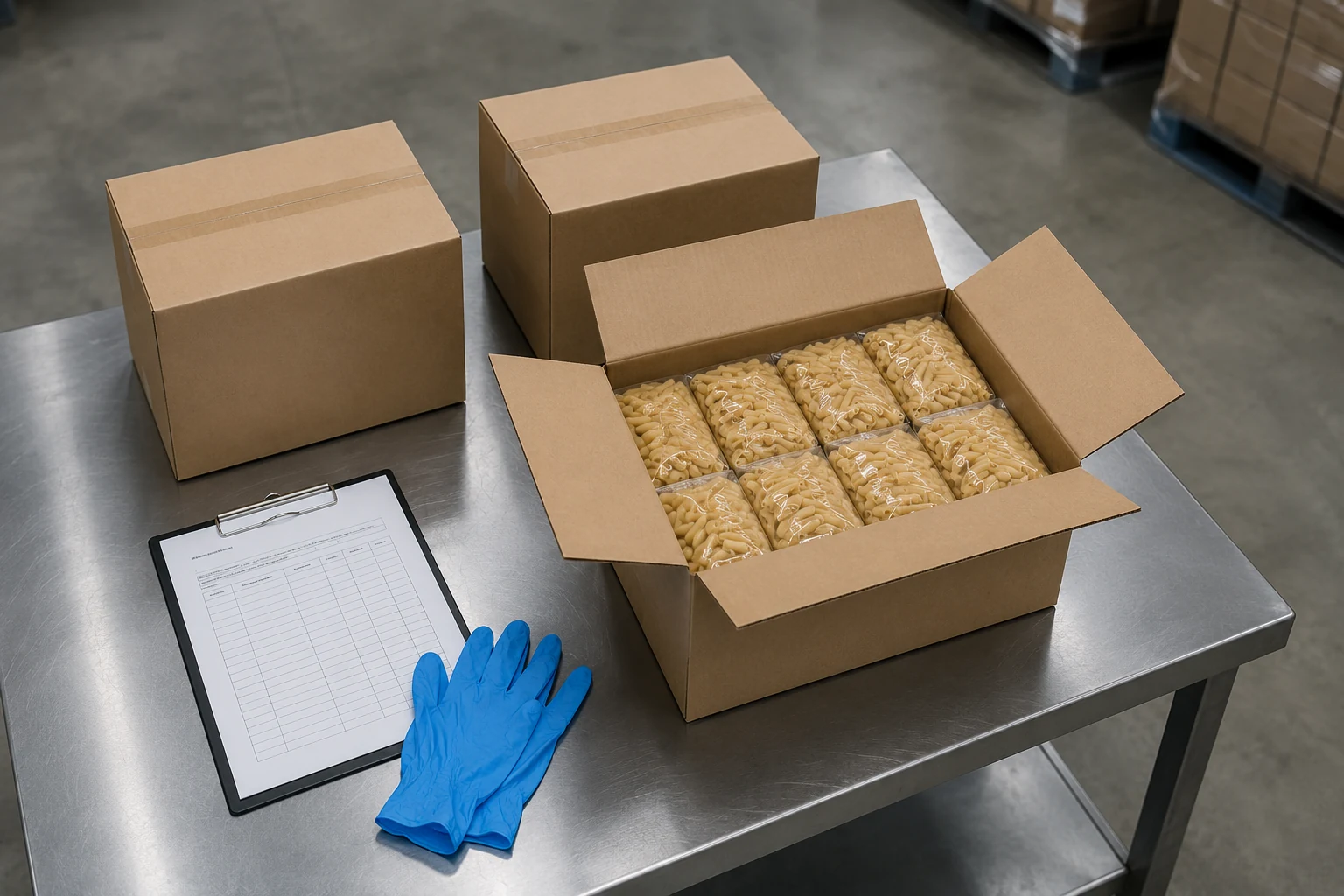
- Entry built from whatever the invoice happens to say
- Classification chosen to transmit quickly, not to hold up under review
- Valuation taken at face value, with no supporting rationale on file
- Documents never checked against each other before filing
- Bond sufficiency confirmed only when it fails
- Agency requirements entered as supplied, unverified
- Problems discovered after the cargo has landed
- Classification reviewed against the actual goods, and applied consistently across entries
- Duty, fee and valuation exposure calculated before you commit to the shipment
- Invoice, packing list and transport documents reconciled before transmission
- Bond sufficiency checked against your projected import value
- Gaps flagged while the shipment is still in transit, when they're cheap to fix
- Entry monitored after filing — you hear about a query from us, not the warehouse
- Where an agency like FDA is involved, that requirement handled in the same filing
No broker can guarantee clearance, release, or admissibility — CBP and FDA hold those decisions. What preparation changes is how many avoidable problems reach the port at all. Read: customs clearance vs. FDA release
What does a broker need to file your entry?
The first ten apply to every commercial shipment. The last six come into play when the goods are regulated. Gather what you have — anything missing can be identified during the entry review. The customs bond isn't on this list because we arrange that for you.
- Commercial invoice
- Packing list
- Bill of lading or airway bill
- Product description
- HTS classification
- Country of origin
- Importer of Record
- Port of arrival
- Estimated arrival date
- Manufacturer information
- FDA product code
- FDA registration information
- Prior Notice
- FSVP importer
- Affirmations of compliance
- Product labels
Everything a customs entry requires
Classification, bonds, importer setup, document review, and port coordination for any commodity — plus the FDA entry work that decides whether regulated cargo moves at all.
Cargo rarely sits because of the ocean leg. It sits because of the paperwork.
What we clear
If it enters the United States, we can file it. Most entries are routine. Some carry partner-agency requirements on top of the customs declaration — those are the ones that reward a broker who has seen them before.
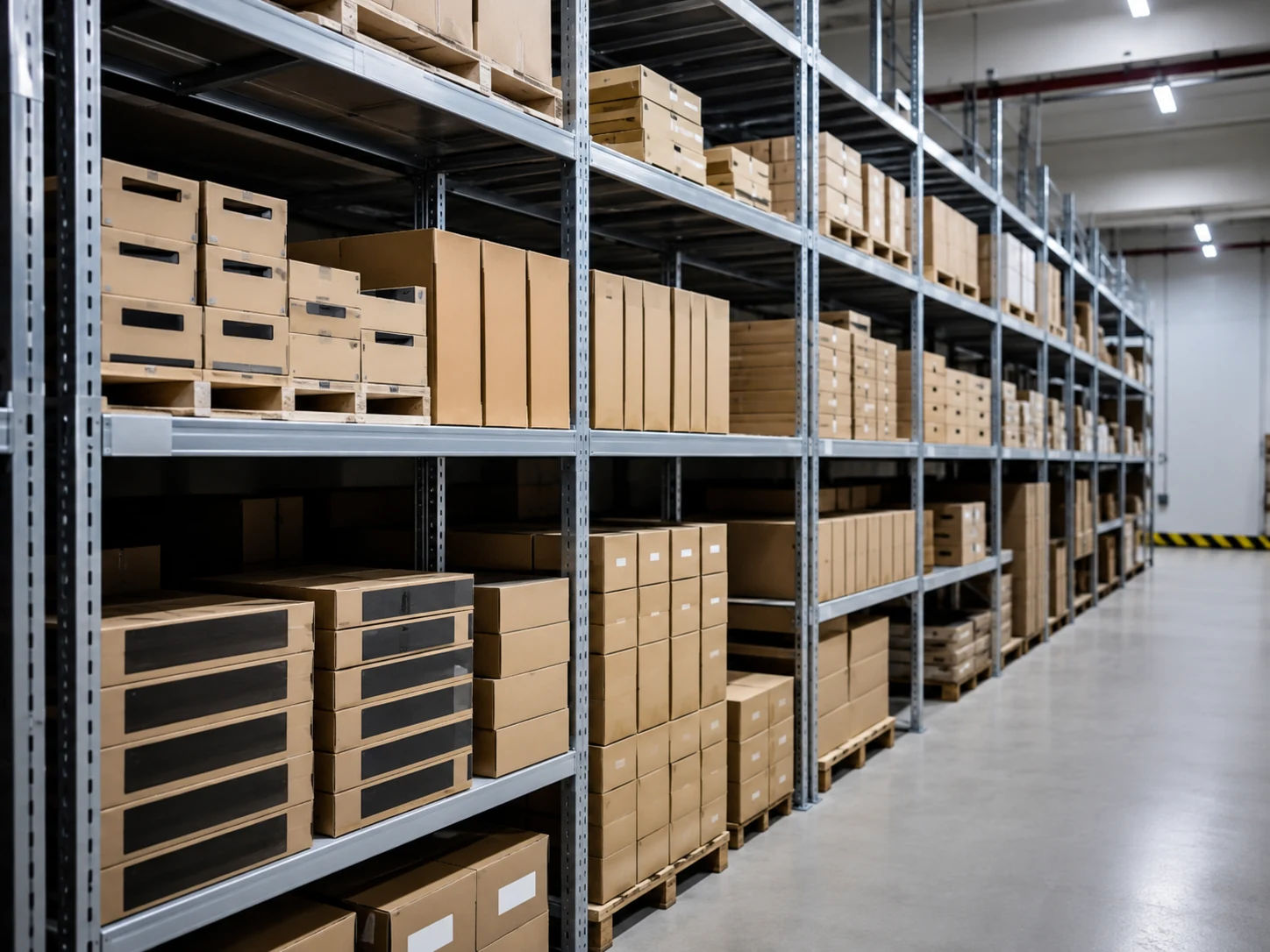
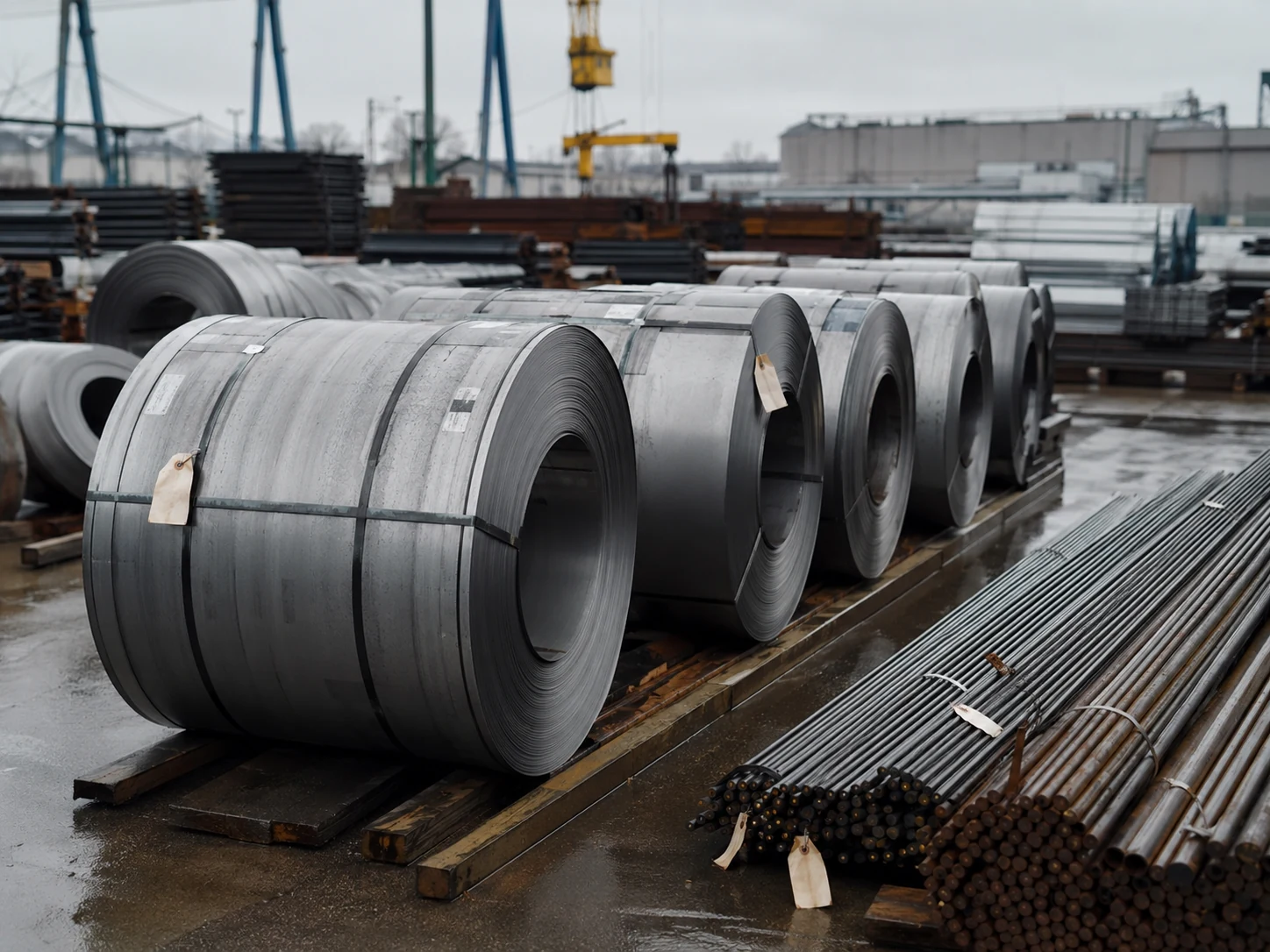
Every commodity
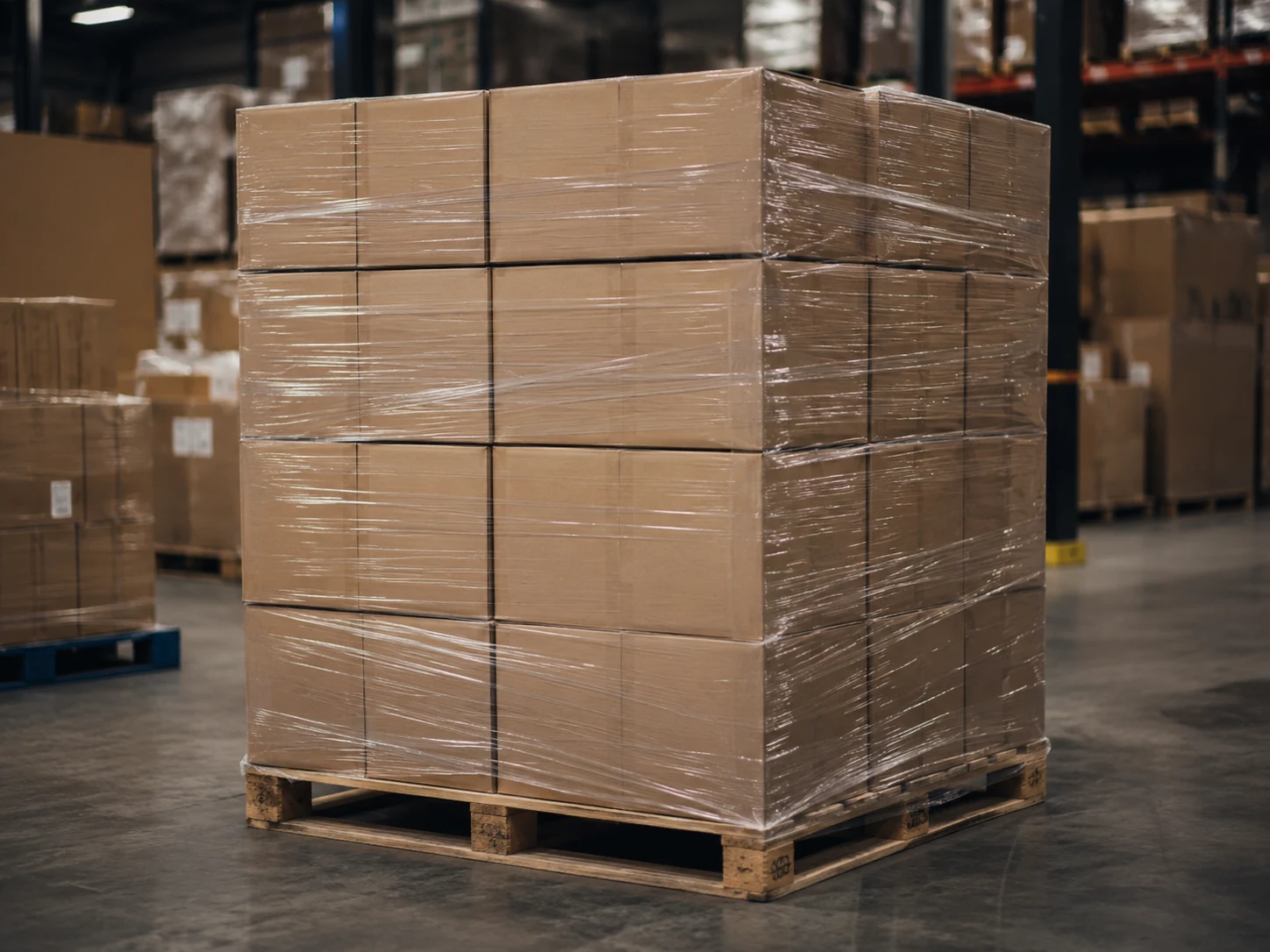


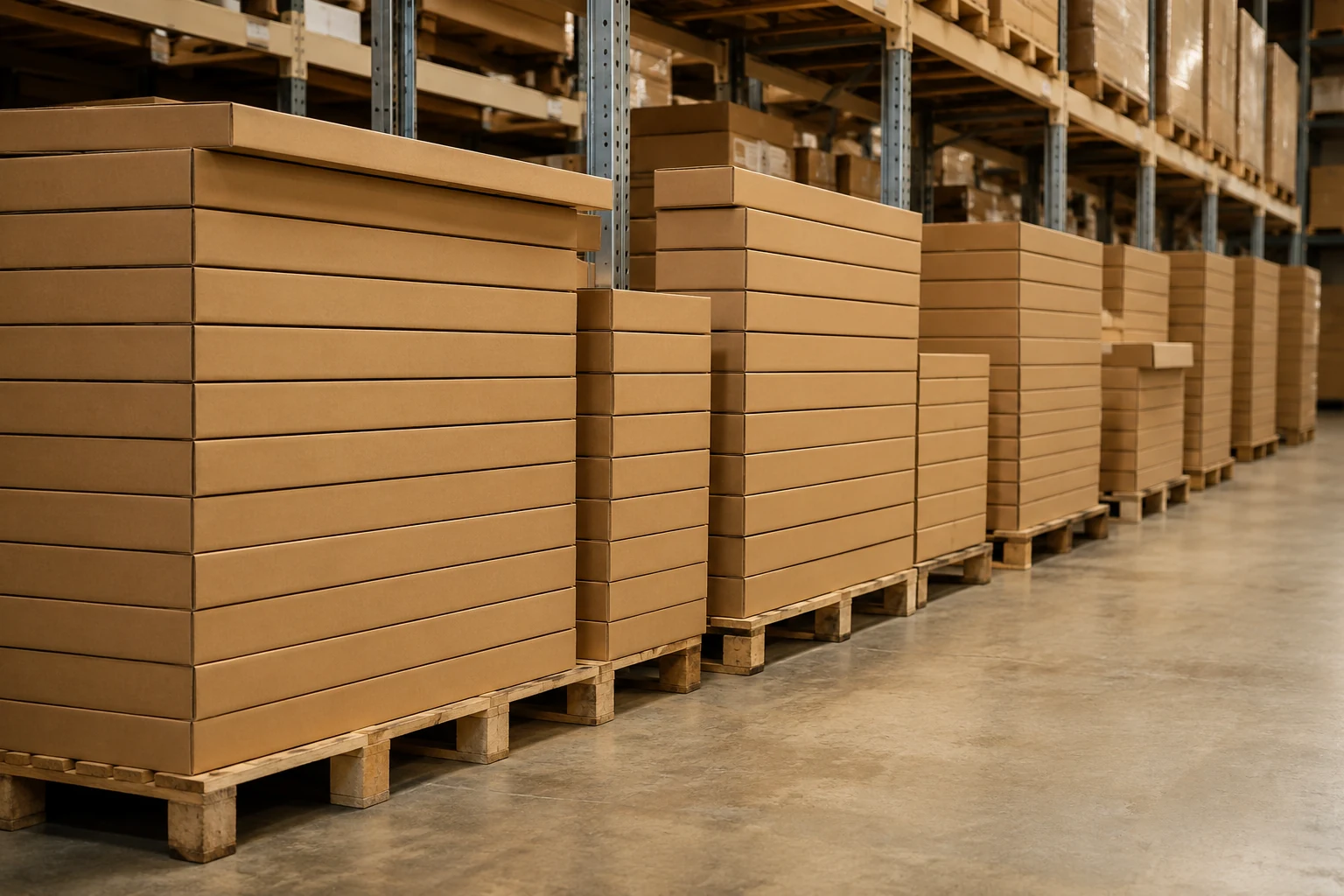
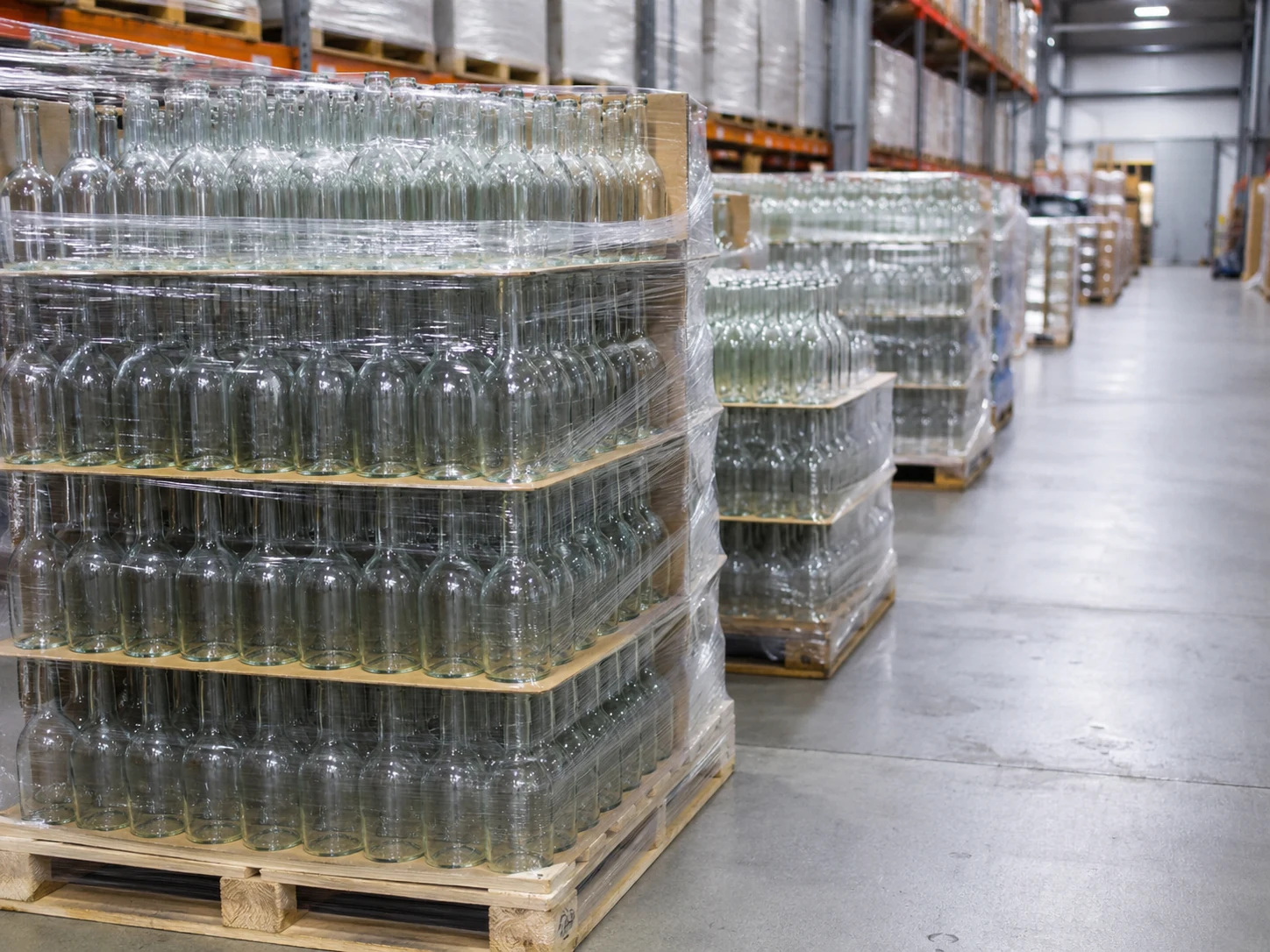
Where entry data is most exacting




How does the entry process work with us?
Seven steps, from the first shipment details to the truck leaving the terminal.
-
1
Submit shipment details
Product, origin, port, arrival date, and whatever documents you have. Earlier is better than complete.
-
2
Review importer and manufacturer information
Importer of Record, FSVP importer, consignee, foreign manufacturer, and registration data are confirmed against the shipment.
-
3
Review customs and FDA entry requirements
HTS classification, duties and fees, bond, FDA product codes, affirmations of compliance, and Prior Notice responsibility.
-
4
Prepare the customs entry
The entry is built with the FDA data set alongside it, not bolted on after transmission.
-
5
Coordinate questions, holds, examination, or sampling
If FDA requests documents, holds the entry, or selects the shipment, the logistics and communication are handled from here.
-
6
Monitor FDA and CBP status
Entry status is tracked on both sides so you are not learning about a problem from the warehouse.
-
7
Coordinate release and delivery
Once both determinations allow it, pickup, delivery, and any remaining terminal charges are arranged.
Is your shipment already delayed?
Send the entry number, the bill of lading or airway bill, and any notice you have received. We can take over an entry filed by another broker. Storage and demurrage accumulate while cargo sits, so the first hours matter.
Or speak to a broker now +1 305-330-9745Common questions from importers
What does a customs broker actually do?
A licensed customs broker prepares and files your entry with CBP: classifying goods under the HTS, calculating duties, taxes and fees, arranging the customs bond, and transmitting the declaration on behalf of the Importer of Record. The broker also handles queries, exams and corrections after filing. Liability for an inaccurate entry sits with the importer — which is why the quality of the filing matters. How our clearance process works.
Do I need a customs bond, and which kind?
Yes, for any commercial entry. A single-transaction bond covers one shipment and suits occasional importers. A continuous bond covers a year of entries and is usually cheaper once you're importing regularly. The right size depends on your projected annual duties, taxes and fees — undersized bonds get flagged and stall entries. Customs bond coordination.
How are duties calculated?
Duty is a percentage of the declared customs value, set by the HTS code your goods classify under. Add Merchandise Processing Fee, Harbor Maintenance Fee on ocean freight, and any antidumping, countervailing or Section 301 duties that apply. Classification drives all of it, which is why a code chosen carelessly is expensive twice — once in overpayment, once in penalties. Tariff classification.
I'm importing for the first time. What do I need?
An IRS number or importer number, a customs bond, a signed power of attorney for your broker, and complete commercial documents — invoice, packing list, and the bill of lading or airway bill. We can have a new importer set up before the cargo sails. Importer setup.
Do you only handle FDA-regulated shipments?
No. We file entries for any commodity — consumer goods, machinery, textiles, industrial materials, and everything else crossing the border. FDA-regulated products are our deepest specialism, not our limit. Importers with mixed portfolios often consolidate with us so the difficult entries and the routine ones sit with the same team. All brokerage services.
Do you work with my freight forwarder?
Yes, and most importers keep the providers they have — we file the entry and coordinate the timing around them. If you would rather not assemble a supply chain yourself, we can coordinate the movement through vetted ocean, air, drayage, warehouse and trucking partners. Retro Customs Brokers is the customs broker of record; the freight is carried by licensed partners under their own authority. How coordination works.
How early should I send documents?
As soon as the shipment is booked. Classification questions, document inconsistencies and agency data gaps are inexpensive to fix in transit and expensive to fix once the container is on the ground accruing storage. Entry document review.
Does customs clearance mean my shipment is released?
Not always. Where another agency is involved, CBP and that agency make separate determinations. FDA is the common case: CBP may release the customs entry while FDA still holds the shipment for review. Cargo moves freely only when every applicable agency allows it. Clearance vs. FDA release.
Why would FDA hold my shipment?
Common triggers include an incorrect or missing product code, missing or inaccurate Prior Notice, registration data that doesn't match the manufacturer, an unidentified FSVP importer, or labelling questions. Some holds are simply routine selection. FDA hold assistance.
Can you guarantee my shipment will be released?
No. CBP and FDA hold sole authority over entry, examination, sampling, detention, refusal and admissibility decisions, and government timelines vary. What a broker controls is the accuracy of what's filed and how quickly problems are identified and worked.
Tell us what you're importing. We'll quote the entry.
Send the commodity, origin, port and arrival date. You'll get a clearance quote, how the goods classify, and a note on anything likely to hold the entry up — before the cargo arrives.