
The types of customs examination
The inspection is rarely what costs you. The queue in front of it is.
Licensed U.S. customs brokerage. Customs broker of record; movement coordinated through vetted partners.
Cargo can be released on the filing, scanned without being opened, inspected at the doors, or moved to a facility and fully unloaded. Each step up the scale adds handling, time and cost, and most of that cost is waiting rather than inspecting.
Key takeaways
- Most cargo is not examined at all.
- Non-intrusive imaging scans the container without opening it.
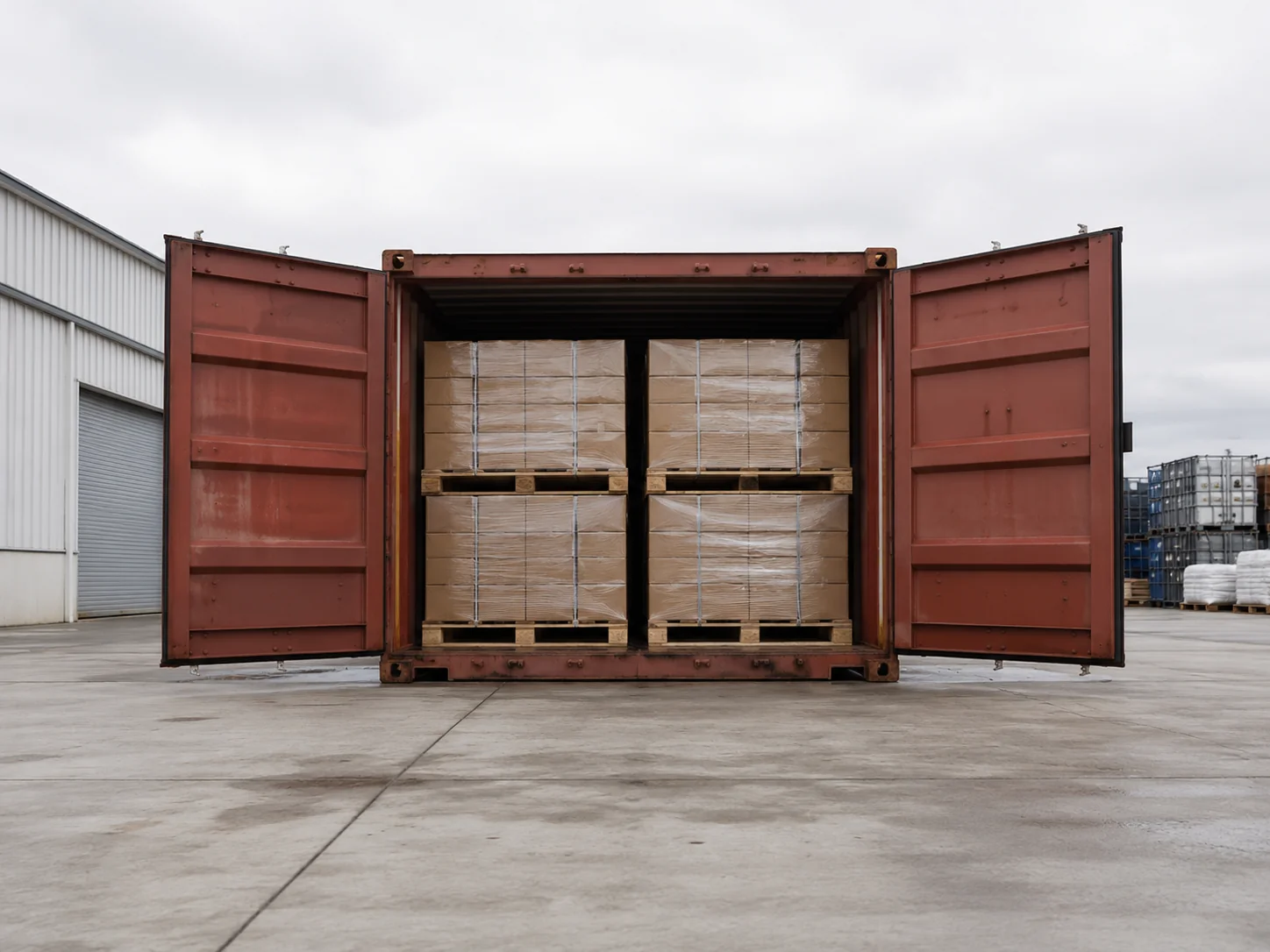
- A tailgate exam opens the doors without full unloading.
- An intensive exam moves the container and unloads it completely.
- Storage and equipment charges accrue throughout, whatever the outcome.
Where the money actually goes
Importers picture an inspection taking a few hours and assume the cost is proportionate. The inspection often is. The wait for a slot at the facility, the drayage to move the container there and back, the storage accruing while it sits and the equipment charges running alongside are not.
This is why an examination on a low-value shipment can cost more than the goods, and why the honest answer to 'how much will this cost' is that it depends far more on the queue than on the exam type.
What you can and cannot influence
You cannot choose whether cargo is referred. What you can influence is how quickly it clears once it is: whether the entry was complete, whether the documents support the declaration, and whether someone responds the same day when a question is asked.
A referral on a clean, well-documented entry moves through. A referral on an entry with a vague description and an invoice that does not match it acquires questions, and questions add days that the storage clock is paying for.
What we do when it happens
We coordinate the move, work the response, and keep the file moving. Physical handling runs through vetted partners at the port rather than through us.
Where an examination becomes something more — a detention, an agency refusal — that is a different process with its own deadlines, and it is worth knowing which one you are actually in.
Where an entry can be routed
Entry filed
No examination
The entry releases on the filing. Most cargo, most of the time.
Non-intrusive imaging
The container is scanned without being opened. Fastest of the exam types.
Tailgate
Doors opened and the load inspected from the rear without full devanning.
Intensive
The container is moved to a facility and fully unloaded for inspection.
The cost of an examination is rarely the inspection. It is the queue in front of it, and the storage and equipment charges accruing while the container waits.
How it works
-
01
Referral issued
The cargo is designated for examination.
-
02
Move to the facility
Where the exam type requires it, via drayage.
-
03
Inspection performed
On the facility's schedule, not yours.
-
04
Questions answered
Same-day response is the main lever you hold.
-
05
Release and return
The container is released and equipment returned.
Common mistakes
- Budgeting for the inspection, not the queue. The waiting is the cost.
- Filing a vague goods description. It generates the questions that add days.
- Being slow to answer a request. The clock runs while you draft.
- Booking delivery against the original schedule. A referral rewrites it.
- Assuming an exam and a detention are the same. They are different processes with different deadlines.
Questions
Can I avoid being selected for examination?
No. Referral is not something an importer controls. What you control is how quickly it resolves, which comes down to the quality of the entry and the speed of your responses.
How long does an examination take?
The inspection itself is usually short. The elapsed time is driven by the queue at the facility and the drayage on either side, which is where the days go.
Who pays for it?
The importer, including the moves, the handling and the storage accruing throughout. This is the part that surprises people.
Is an examination the same as a detention?
No. An examination is an inspection. A detention is a formal action with a written notice and a response deadline, and it is considerably more serious.
Related
Tell us what you're importing.
Commodity, origin, port and arrival date is enough to start.