
How FDA import alerts work
Detention without physical examination. The shipment is held on what is already known, before anyone looks at it.
Licensed U.S. customs brokerage. Customs broker of record; movement coordinated through vetted partners.
An import alert directs FDA field staff to detain specified products, firms or countries without physically examining each shipment. Where an alert applies, the burden shifts to the importer to demonstrate the goods comply, rather than to the agency to show they do not.
Key takeaways
- Shipments are detained on existing information, without examination.
- Alerts can cover a firm, a product, or an entire country of origin.
- The burden of demonstrating compliance sits with the importer.
- Removal is possible but evidence-heavy and slow.
- You can be caught by an alert aimed at your supplier, not at you.
Why this is different from a normal hold
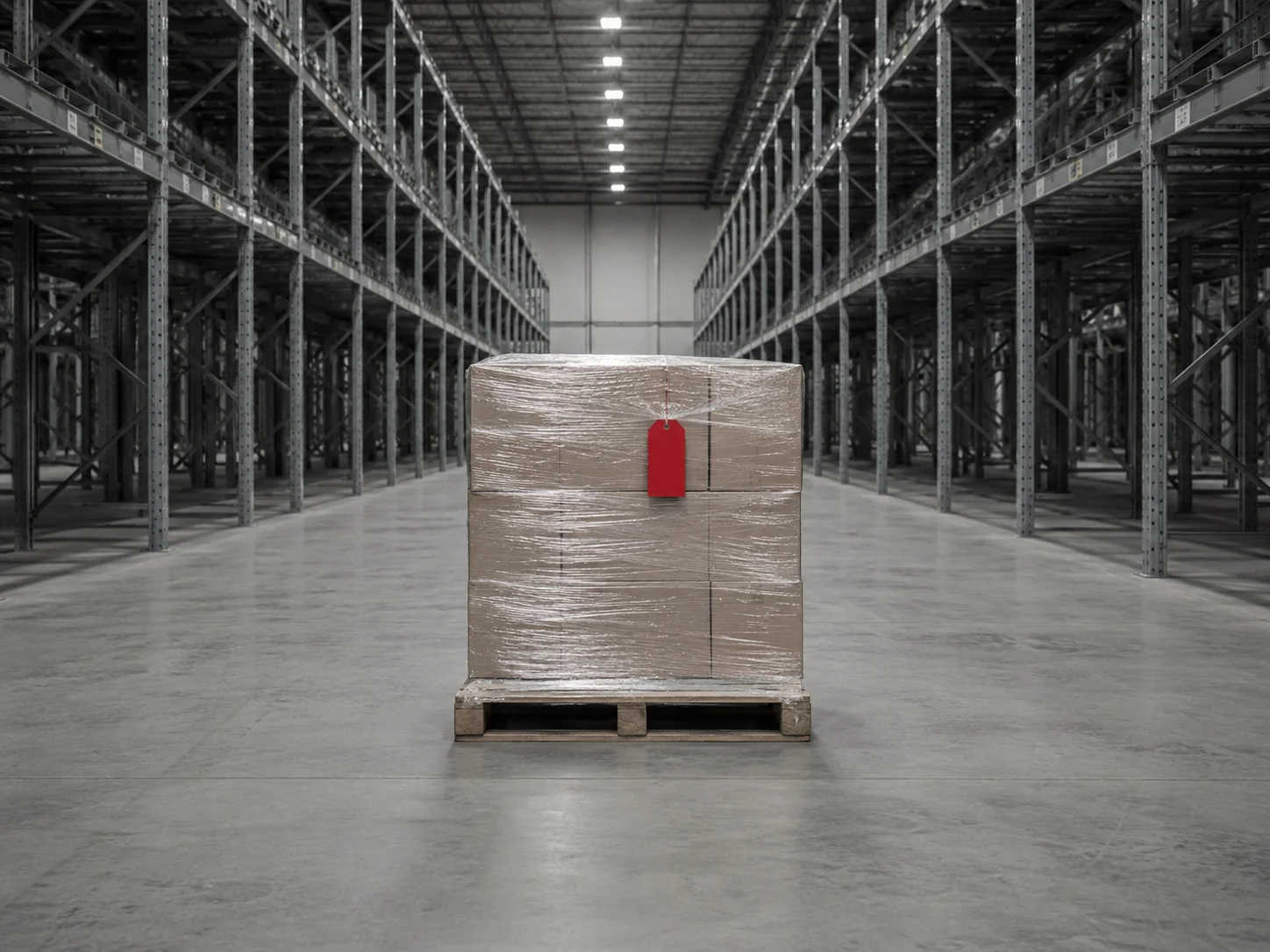
Ordinarily a shipment is examined and then a decision follows. Under an import alert the decision effectively precedes the shipment: goods matching the alert's criteria are detained on arrival because of what is already known about the product, the firm or the origin.
The practical reversal is the burden. Instead of the agency establishing a problem, the importer establishes that these particular goods do not have it, which is a materially harder task and a considerably slower one.
You can be caught by someone else's history
Alerts frequently attach to a manufacturer or a shipper. An importer with a spotless record who buys from a listed firm inherits the consequence in full, and the first they usually hear of it is the detention.
This is the argument for knowing who actually manufactures your goods before you commit to them. It is the same information prior notice requires, and it is worth having for reasons beyond the filing.
Getting off an alert
Removal generally requires demonstrating that the underlying problem has been addressed and that compliance is consistent rather than occasional. That usually means evidence across multiple shipments, produced to a standard the agency accepts.
It is a process measured in months rather than days, and it is not one to begin after the container has landed. Where a matter moves beyond the practical response into formal proceedings, qualified legal counsel is the right resource.
How it works
-
01
Establish which alert applies
Product, firm or country, and on what basis.
-
02
Confirm what evidence is expected
The specific showing, not a general assurance.
-
03
Assemble testing and documentation
To the standard the alert contemplates.
-
04
Respond within the deadline
The detention runs to a date regardless.
-
05
Build a consistent record
Removal rests on a pattern, not a single result.
Common mistakes
- Not knowing who manufactures your goods. Alerts often attach to the maker.
- Assuming a clean record protects you. The alert may not be about you.
- Sending general assurances. The alert contemplates specific evidence.
- Starting the removal effort after arrival. It takes far longer than the shipment can wait.
- Treating one good result as sufficient. Consistency is what is being assessed.
Questions
What does detention without physical examination mean?
Goods are detained based on existing information about the product, firm or origin, rather than after an inspection of that shipment.
Why is my shipment affected when I have no history?
Alerts commonly attach to a manufacturer, shipper or country rather than to the importer. Buying from a listed firm brings the consequence with it.
How long does removal take?
Typically months, because it rests on demonstrating consistent compliance rather than a single satisfactory result.
Can you handle the response?
We coordinate the practical response, the evidence and the cargo. Formal proceedings sit outside brokerage scope, and we will say so rather than working beyond it.
Related
Tell us what you're importing.
Commodity, origin, port and arrival date is enough to start.