
Section 232 on steel and aluminum
Measures reaching well past raw metal into finished products that contain it. The derivative lists are where importers get surprised.
Licensed U.S. customs brokerage. Customs broker of record; movement coordinated through vetted partners.
Section 232 measures apply additional duty to imported steel and aluminum on national security grounds, and to a growing list of derivative products that contain them. Coverage has been adjusted, expanded and varied by country arrangement more than once.
Key takeaways
- Applies to raw metal and to listed derivative products containing it.
- The derivative lists have expanded over time.
- Country arrangements have varied, including quota-style arrangements.
- A finished article can be covered without being obviously a metal product.
- This is one of the genuinely moving parts of import compliance.
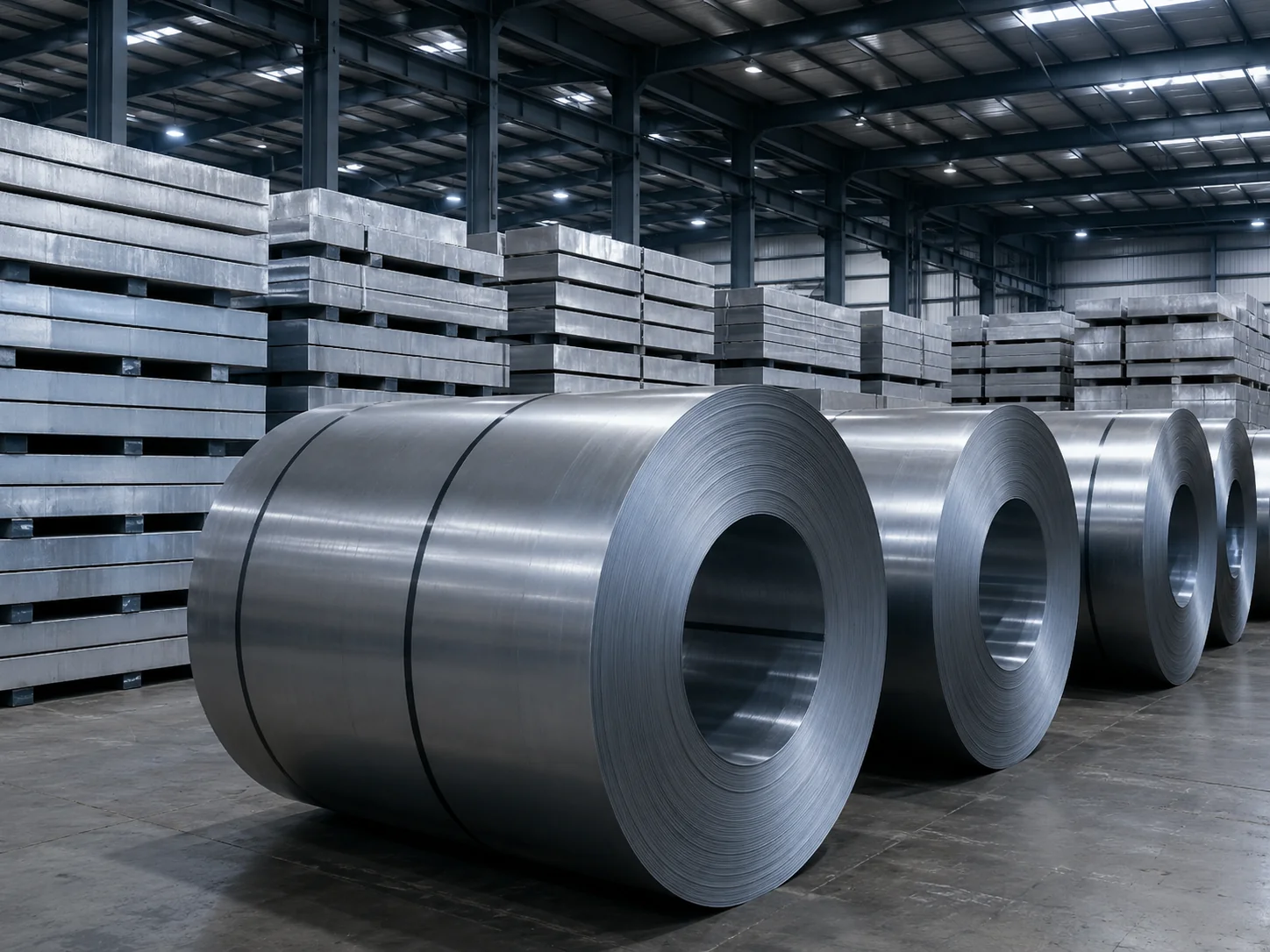
Derivatives are where the surprise lives
Importers of steel coil expect Section 232. Importers of finished articles that happen to be made of steel frequently do not, and the derivative lists have grown to reach products that look nothing like raw metal.
The question is not whether you think of yourself as a metals importer. It is whether your product's classification appears on a current list. Those are different questions with different answers.
Coverage has moved, repeatedly
Since introduction, the measures have been modified: products added, country arrangements negotiated and renegotiated, and quota-style arrangements applied in place of duty for some origins.
The practical consequence is that a compliance position on Section 232 has a shelf life. A determination made confidently a year ago may simply no longer describe the current state, and relying on it is how a routine entry becomes an unexpected bill.
What this means for planning
Where you import articles with meaningful metal content, the classification and origin work is not a formality. It determines whether a measure attaches, and the exposure is material.
Reconfirm before committing to a new supplier, a new product line or a large order. The cost of checking is trivial against the cost of discovering the answer at the border.
How it works
-
01
Classify the article properly
Coverage attaches by code.
-
02
Establish origin
Country arrangements differ.
-
03
Check the current derivative lists
They have expanded since introduction.
-
04
Check for quota or arrangement treatment
Duty is not the only mechanism used.
-
05
Reconfirm before each new commitment
Positions here age quickly.
Common mistakes
- Assuming it only covers raw metal. Derivative lists reach finished articles.
- Relying on a position taken previously. Coverage has been modified more than once.
- Ignoring country arrangements. Treatment varies by origin.
- Overlooking metal content in a finished good. The classification decides, not the appearance.
- Committing to volume before checking. The exposure is material and avoidable.
Questions
Does this only apply to steel and aluminum in raw form?
No. It also applies to listed derivative products containing them, and those lists have expanded. A finished article can be covered.
Has the coverage changed?
Yes, more than once, including additions to the derivative lists and changes to country arrangements. It is worth confirming current status rather than relying on an earlier assessment.
Is it always additional duty?
Not always. Some origins have been subject to quota-style arrangements instead. Which mechanism applies depends on origin and on the arrangement in force.
How do I check whether my product is covered?
Start with the correct classification, establish origin, then check both against the current lists and arrangements. The classification has to be right first.
Related
Tell us what you're importing.
Commodity, origin, port and arrival date is enough to start.