
Refusal, re-export and destruction
A refusal is not the end of the process. There is still a sequence to run, with deadlines, and it still needs coordinating.
Licensed U.S. customs brokerage. Customs broker of record; movement coordinated through vetted partners.
Refusal of admission means FDA has determined an imported shipment may not enter U.S. commerce. The goods must generally be exported or destroyed within a set period under supervision, and the importer bears the cost. Coordinating that involves the terminal, the carrier, the warehouse and, where destruction applies, an approved facility.
Key takeaways
- Refused goods cannot enter commerce and must generally be exported or destroyed.
- There is a period within which that must happen.
- Costs of re-export or destruction fall to the importer.
- Both routes require coordination across several parties.
- Formal challenges to a refusal may require qualified legal counsel.
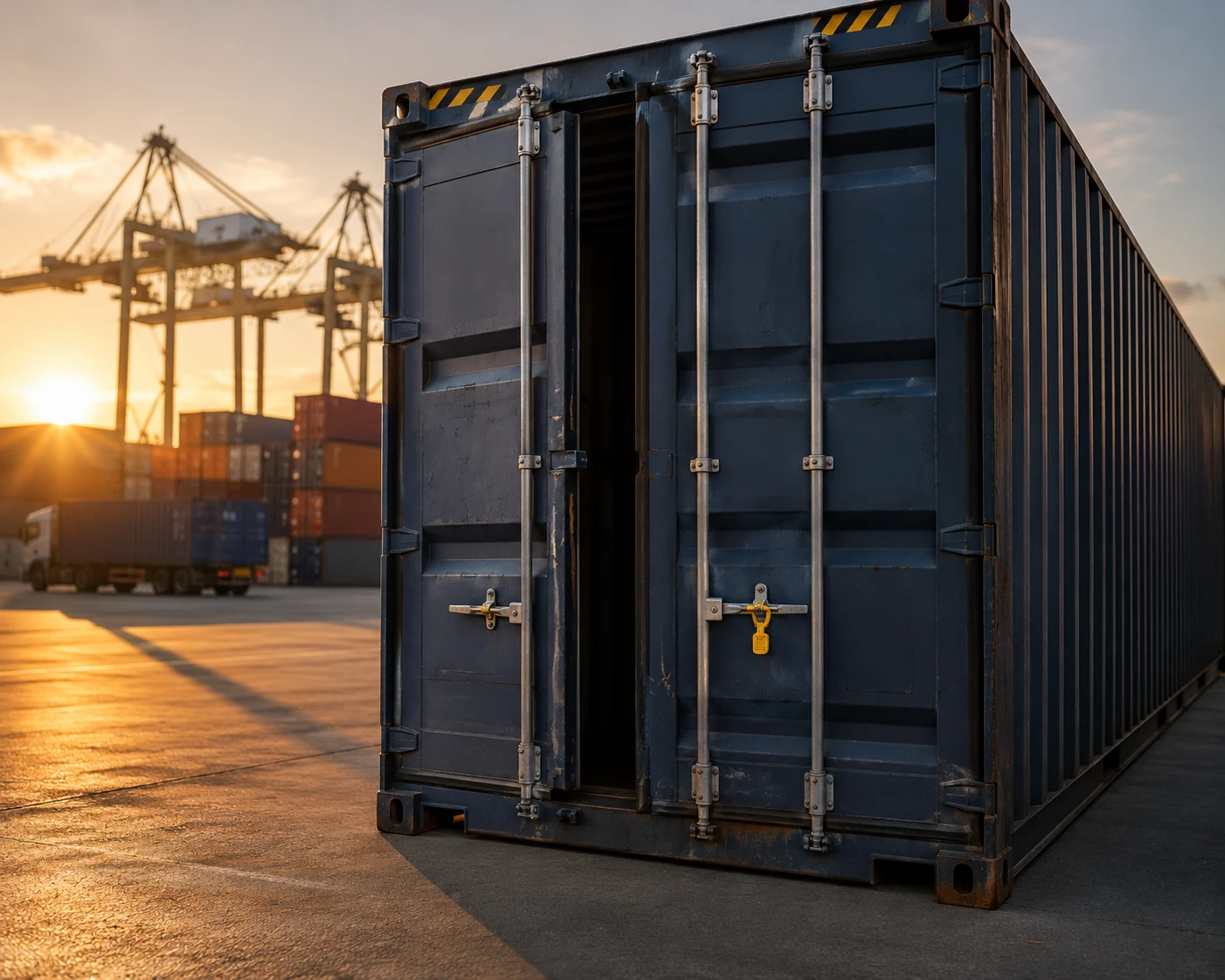
The two routes
Re-export. The goods leave the United States. That means booking outbound transport, coordinating with the terminal and carrier, and satisfying the requirements around supervised export.
Destruction. The goods are destroyed under supervision at an approved facility. That means arranging the facility, the movement, and the documentation confirming it was done.
Which applies depends on the circumstances, the commodity and commercial factors — including whether the goods have value in another market and whether moving them costs more than destroying them.
What this costs
Everything accrued to date, plus the cost of whichever route is taken. Storage continues until the goods physically leave or are destroyed, which is why delay in deciding is itself expensive.
How it works
-
01
Refusal reviewed
What has been refused, on what basis, and what period applies.
-
02
Options assessed
Re-export or destruction, with the cost of each set out honestly.
-
03
Route chosen
With you, on commercial grounds as well as regulatory ones.
-
04
Logistics coordinated
Transport, terminal, warehouse or approved destruction facility.
-
05
Completion documented
Evidence retained that the required action was carried out.
Common mistakes
- Delaying the decision. Storage runs throughout and the period does not extend.
- Assuming re-export is always cheaper. Sometimes destruction costs less than moving goods nobody will buy.
- Not checking the destination market. Goods refused here may face issues elsewhere too.
- Missing the deadline. This removes your choice and can escalate the position.
- No documentation of completion. You need evidence the required action actually happened.
Questions
Can a refusal be challenged?
There are processes for contesting FDA decisions, and formal challenges may require qualified legal counsel. We are customs brokers, not attorneys, and we will say so rather than advising beyond our scope.
How long do I have?
A period is stated and it is not generous. Deciding quickly between re-export and destruction is the main thing within your control.
Who pays?
The importer — for storage accrued, for the re-export or destruction itself, and for any handling involved.
Can the goods be reconditioned instead?
In some circumstances reconditioning may be permitted. Whether it applies depends on the basis for the refusal and the commodity, and it is worth asking rather than assuming.
Related
Tell us what you're importing.
Commodity, origin, port and arrival date is enough to start.