
CBP examination and query coordination
An exam is not an accusation. It is a process with a sequence, and how quickly it resolves depends largely on how well it is coordinated.
Licensed U.S. customs brokerage. Customs broker of record; movement coordinated through vetted partners.
CBP examination coordination is the management of a shipment selected by U.S. Customs and Border Protection for physical or non-intrusive inspection, or subject to a documentary query. It covers responding to the notice, arranging cargo movement to and from the examination site, supplying requested documents, and tracking the shipment through to release.
Key takeaways
- Selection for examination is often routine and does not imply wrongdoing.
- Exam costs — movement, handling, storage — are borne by the importer regardless of outcome.
- Response speed is the one variable the importer controls.
- A documentary query answered completely the first time resolves faster than three partial replies.
- Where a partner agency is also involved, an exam may serve both.
Types of examination
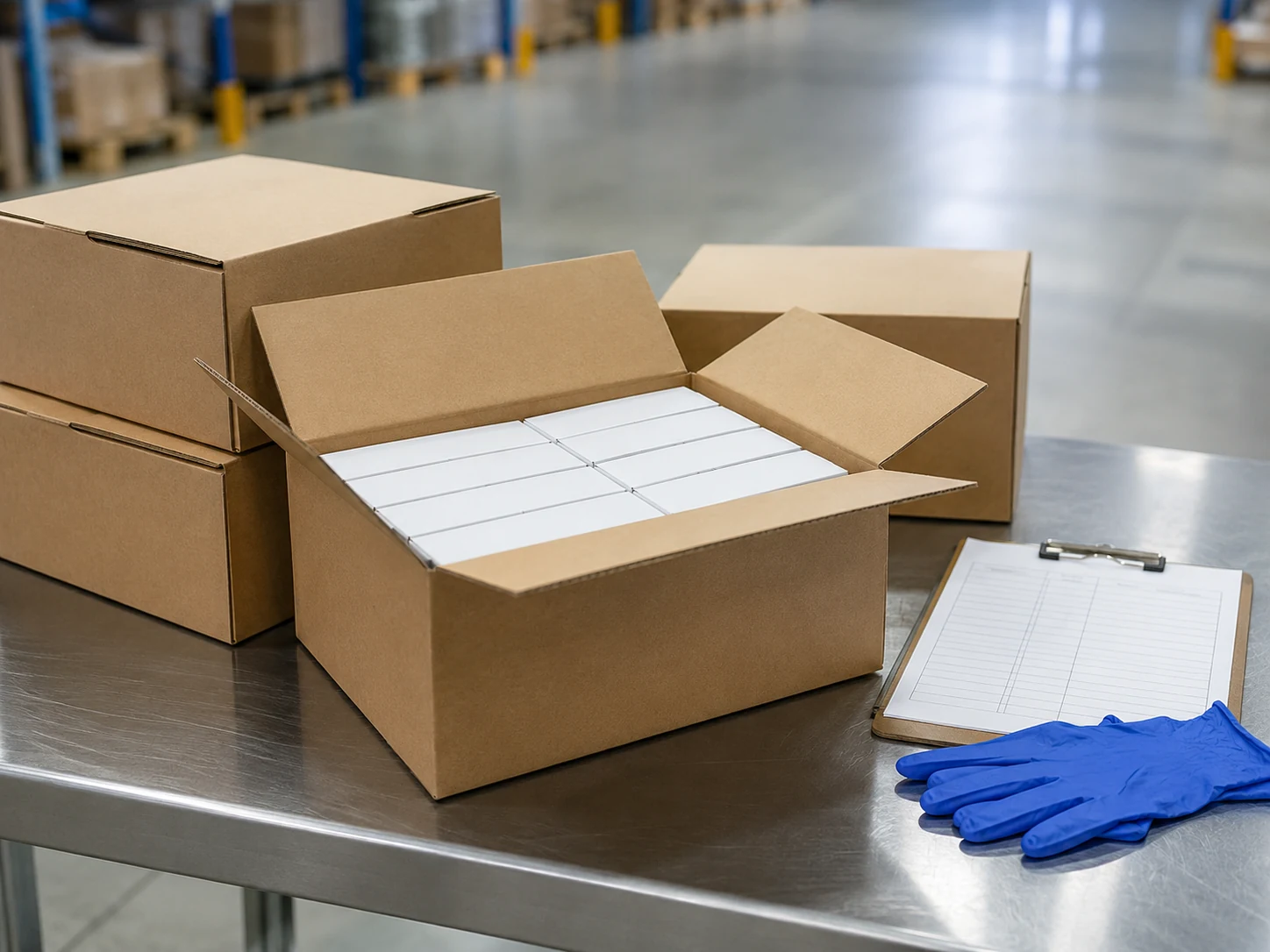
Non-intrusive inspection scans the container without opening it and is comparatively quick. A tailgate exam opens the doors for a partial visual check. A full devanning unloads the container entirely at a Centralized Examination Station and is the slowest and most expensive of the three.
What we do
Read the notice and tell you plainly what is being asked. Arrange movement to the exam site with the terminal and trucker. Supply documents in the form CBP expects rather than a bundle to be sifted. Track status and chase where it stalls. And once released, arrange the move onward so the container is not sitting at the station accruing charges.
How it works
-
01
Notice received and read
What kind of exam, which agency, what is being asked for, and what the deadline is.
-
02
Movement arranged
Coordination with the terminal, trucker and examination station.
-
03
Documents submitted
Complete and in the expected format, first time.
-
04
Status tracked
Followed daily. You hear from us rather than from the warehouse.
-
05
Release coordinated
Once cleared, the container moves onward promptly rather than sitting.
Common mistakes
- Responding slowly. The clock runs on storage and demurrage throughout.
- Partial document submissions. Each incomplete response restarts the review.
- Assuming the forwarder is handling it. Exam coordination is brokerage work, not freight work.
- Leaving cargo at the exam site after release. Charges continue until it moves.
- Treating an exam as an accusation. Most are routine; the response should be procedural, not defensive.
Questions
Why was my shipment selected for examination?
Selection can be random, risk-based, commodity-driven, or prompted by something in the entry data. CBP does not always state a reason, and the absence of one is not itself a concern.
Who pays for a customs exam?
The importer, regardless of outcome. That includes movement to and from the examination station, handling, and any storage accrued while the shipment waits.
How long does an examination take?
It depends on the type of exam, the port, and current volumes. Non-intrusive scans are typically fastest and full devanning slowest. We track status and update you, but timelines are set by the government.
Can an exam be avoided?
Not reliably. Accurate entry data and specific product descriptions reduce the chance of a query-driven exam, but random and risk-based selection cannot be designed around.
Related
Tell us what you're importing.
Commodity, origin, port and arrival date is enough to start.