
Apparel and textile import clearance
Textile classification is unusually detailed. Fibre content, knit or woven construction, gender and garment type all change the code, and the rates vary sharply.
Licensed U.S. customs brokerage. Customs broker of record; movement coordinated through vetted partners.
Apparel and textile import clearance covers customs entries for garments, fabric, home textiles and made-up textile articles. Classification depends on fibre composition, whether the fabric is knitted or woven, the garment type and often the wearer — distinctions that carry significantly different duty rates, making textiles one of the most classification-sensitive categories.
Key takeaways
- Fibre content by weight decides the heading, so a blend classifies by whichever fibre predominates.
- Knitted and woven versions of the same garment classify separately.
- Textile duty rates are among the highest in the tariff schedule.
- Country of origin for textiles follows specific rules based on where the fabric was formed and assembled.
- Fibre content and care labelling requirements apply separately from customs.
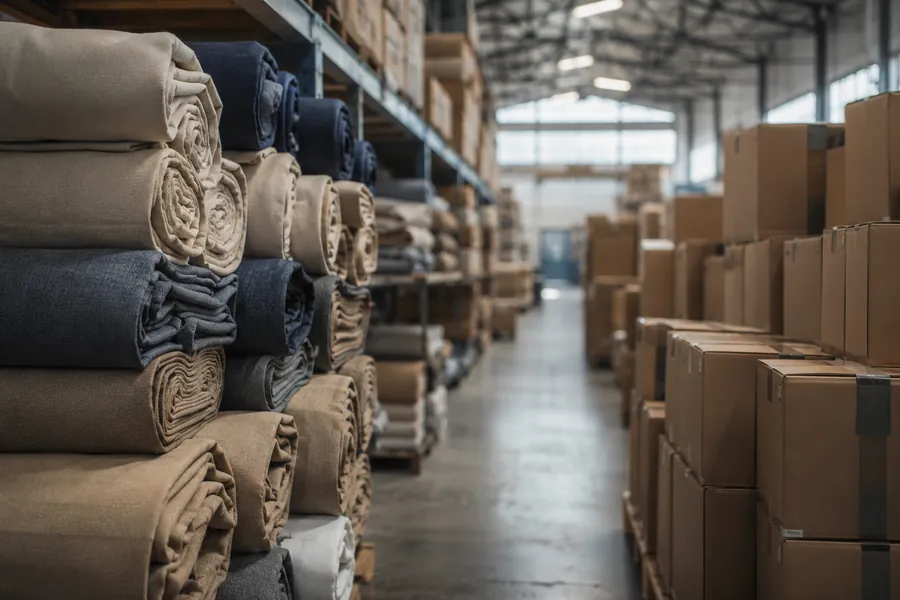
Why the detail matters so much
A cotton knit shirt and a synthetic woven shirt are different products in tariff terms, with different rates. A 60/40 blend classifies by the predominant fibre, which means an inaccurate composition statement on the invoice produces an inaccurate entry.
Because textile rates are comparatively high, small classification errors produce large financial ones — in either direction.
Origin is not simply where it shipped from
Textile origin rules look at where the fabric was formed and where the garment was assembled, which is not always the country of export. Preferential trade programmes can reduce or eliminate duty where the rules are met, but the documentation requirements are strict and worth confirming before relying on them.
How it works
-
01
Composition confirmed
Exact fibre content by weight, from the supplier, in writing.
-
02
Construction identified
Knitted or woven, and the garment type and cut.
-
03
Classification assigned
Applying the tariff schedule's textile rules to each style.
-
04
Origin assessed
Where fabric was formed and assembly took place, and whether a preference applies.
-
05
Entry filed
With style-level detail supporting each line.
Common mistakes
- Approximate fibre content. "Mostly cotton" is not a composition statement.
- Assuming origin equals country of shipment. Textile origin rules look further back.
- One code for a whole style range. Knit and woven versions classify differently.
- Claiming a preference without documentation. The paperwork requirements are strict.
- Forgetting labelling requirements. Fibre content and care labelling are separate obligations.
Questions
Why are textile duty rates so high?
Textile and apparel rates reflect long-standing trade policy and are among the highest in the tariff schedule. That is precisely why classification accuracy matters — a small error on a high rate produces a large amount over a container.
How is fibre content determined for classification?
By weight. The predominant fibre generally governs the heading. Where a garment is close to a threshold, the exact composition statement becomes decisive, so it is worth obtaining in writing from the supplier.
Do preferential trade programmes apply to apparel?
They can, where the origin rules are satisfied and documentation supports it. The requirements are specific and the record-keeping obligations real — worth confirming eligibility before relying on it in your pricing.
What is required on textile labelling?
Fibre content, country of origin and care instructions are required under rules separate from customs. Goods can be held for marking deficiencies, so it is worth confirming before shipment rather than after.
Related
Tell us what you're importing.
Commodity, origin, port and arrival date is enough to start.