
Beverage import customs clearance
Non-alcoholic drinks answer to FDA. Alcohol answers to TTB as well, and carries federal excise tax. The two paths are quite different.
Licensed U.S. customs brokerage. Customs broker of record; movement coordinated through vetted partners.
Beverage import customs clearance covers customs entries for drinks of all kinds. Non-alcoholic beverages are treated as food, requiring Prior Notice, product codes, facility registration and FSVP coordination. Alcoholic beverages additionally require a TTB basic permit, label approval, and payment of federal excise tax — a materially different process.
Key takeaways
- Non-alcoholic beverages follow the food pathway: Prior Notice, product codes, FSVP.
- Alcohol requires a TTB basic permit before importing commercially.
- Alcohol labels generally need TTB certificate of label approval.
- Federal excise tax applies to alcohol in addition to customs duty.
- Juice products may carry HACCP requirements.
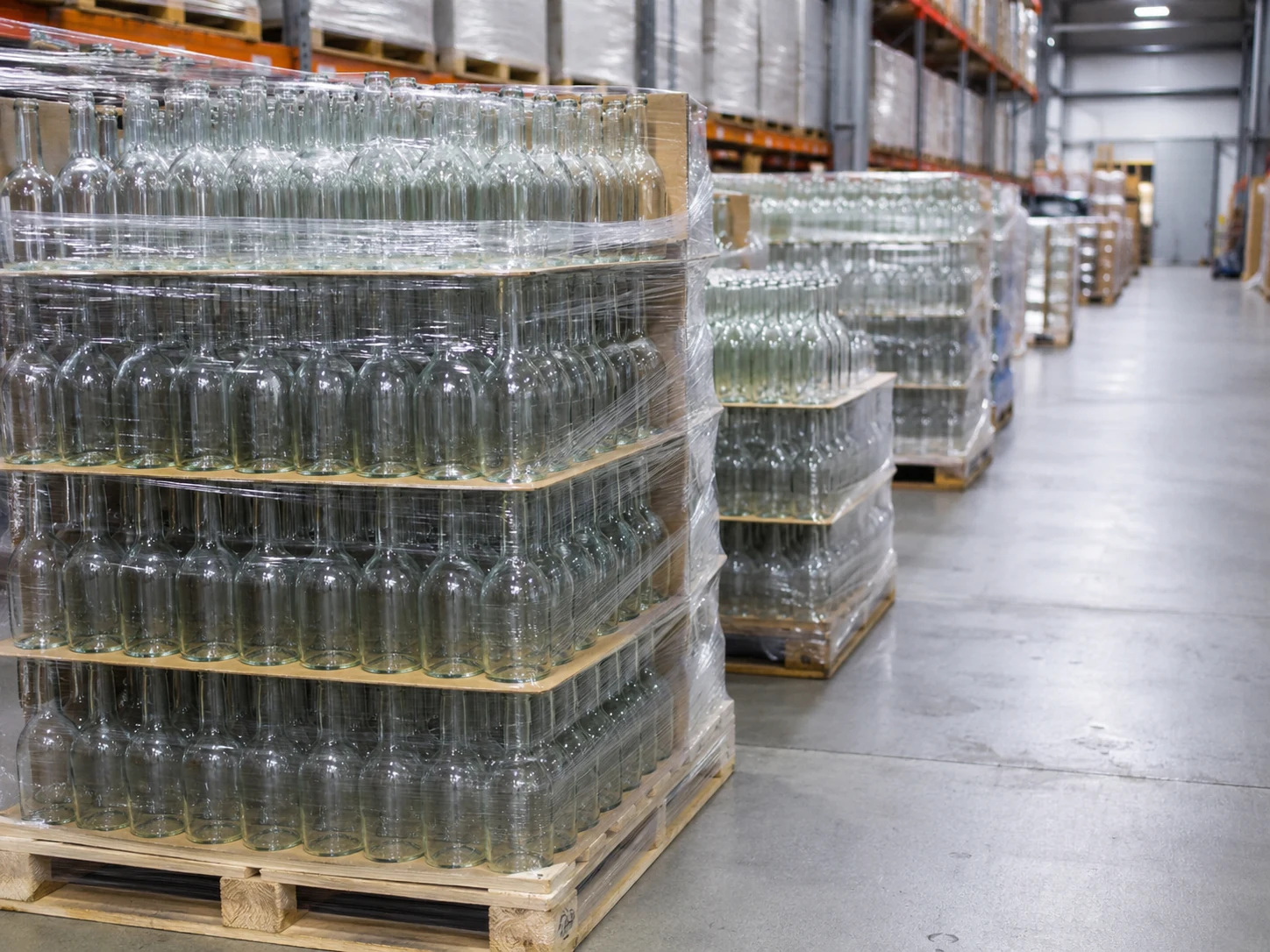
Two different pathways
A shipment of bottled water and a shipment of wine are both beverages and almost nothing else about their entries is the same. The first is a food entry. The second requires a TTB permit obtained in advance, approved labels, excise tax calculation and often state-level requirements on top.
Importers moving from one category to the other are frequently caught out by assuming the process carries over.
Where the cost sits on alcohol
Federal excise tax on alcohol commonly exceeds the customs duty. It is calculated on volume and alcohol content rather than value, which means a low-value, high-volume shipment can carry a surprisingly large liability. Worth modelling before committing to a purchase.
How it works
-
01
Category confirmed
Alcoholic or not — the pathway diverges immediately.
-
02
Permits verified
TTB basic permit and label approvals where alcohol is involved.
-
03
FDA data prepared
Product codes, registration, Prior Notice, FSVP for the food pathway.
-
04
Duty and excise calculated
Including excise on volume and alcohol content where applicable.
-
05
Entry filed
With both agency data sets prepared together.
Common mistakes
- Importing alcohol without a TTB permit. It must be in place beforehand, not applied for after.
- Assuming label approval is quick. Build the timeline into your purchasing plan.
- Overlooking excise tax. On alcohol it frequently exceeds the duty.
- Treating juice as an ordinary beverage. HACCP requirements may apply.
- Forgetting state requirements. Federal clearance is not the whole picture for alcohol.
Questions
Do I need a licence to import alcohol?
Yes — a TTB basic permit is required to import alcoholic beverages commercially, and it must be obtained before importing. State-level requirements may also apply depending on where the goods are distributed.
What is a COLA?
A certificate of label approval from TTB, generally required for alcoholic beverage labels before the product may be introduced into commerce. Obtaining it takes time, so it belongs in the purchasing timeline rather than the arrival week.
How is excise tax calculated on alcohol?
On volume and alcohol content rather than value, at rates that vary by beverage type. It is separate from customs duty and often larger, which is why it should be modelled before purchase.
Do non-alcoholic beverages need Prior Notice?
Yes. They are food for FDA purposes, so Prior Notice, product codes, facility registration and FSVP coordination all apply in the same way as for other food shipments.
Related
Tell us what you're importing.
Commodity, origin, port and arrival date is enough to start.