
Warehouse and port coordination
Clearing an entry is only useful if the cargo actually moves. We coordinate that — through your providers, or through ours.
Licensed U.S. customs brokerage. Customs broker of record; movement coordinated through vetted partners.
Warehouse and port coordination is the arrangement of physical cargo handling around a customs entry — moving containers to and from examination sites, arranging bonded or temperature-controlled storage, coordinating with terminals and truckers, and releasing cargo for delivery once every agency has cleared it.
Key takeaways
- Free time at a terminal is short, and demurrage begins the moment it expires.
- Bonded storage allows goods to be held before duty is paid, which can be useful when release is delayed.
- Temperature-controlled cargo has no tolerance for coordination failures.
- Charges continue to accrue after release until the cargo physically moves.
- We are the customs broker of record; freight moves under our partners' own authority.
What we coordinate
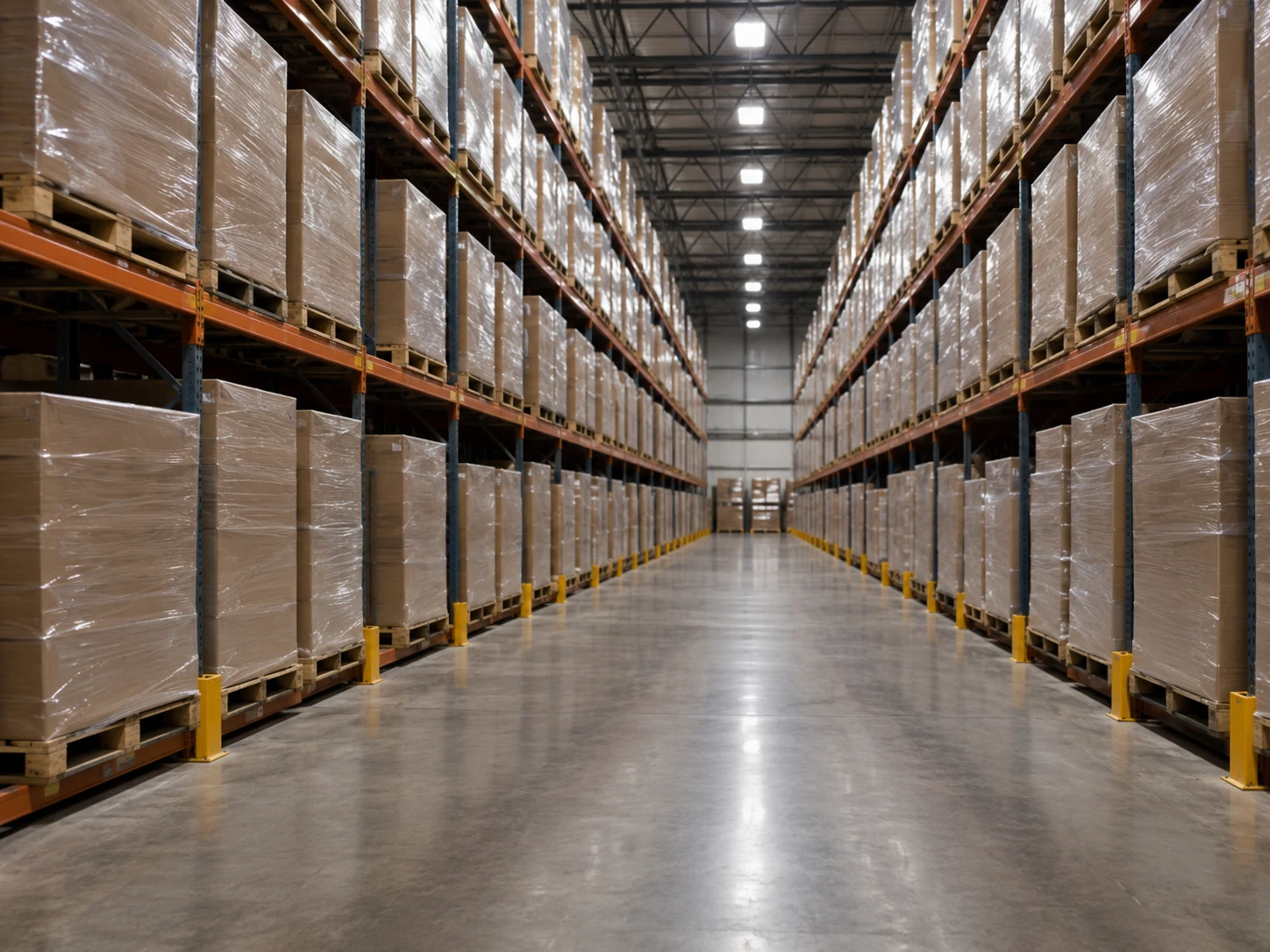
Terminal release and pickup appointments. Movement to and from examination stations. Bonded warehouse placement where duty deferral or extended holding makes sense. Cold storage for temperature-controlled goods. Trucking to the final destination. And the timing of all of it against the entry status, so nothing moves before it may and nothing sits after it could.
Working through a partner network
Importers who already have a forwarder, drayage provider and warehouse keep them. We file the entry and coordinate around the arrangements you have.
Importers who would rather not assemble that themselves can use ours: ocean and air capacity, drayage, warehousing and transloading, and domestic trucking. Ground coverage is strongest at Port Newark and the Port of Los Angeles, and we file entries at every other U.S. port of arrival. One point of contact, and the same company watching the entry and the cargo.
We are precise about the structure. Retro Customs Brokers is the customs broker of record. Freight is carried and forwarded by licensed partners under their own authority. We do not present ourselves as the underlying carrier or forwarder, and we do not need to — the value we add is the coordination between them, which is where a surprising share of delays actually begins.
Where costs accumulate
Demurrage accrues at the terminal once free time expires. Detention accrues on the equipment once it leaves. Storage accrues at a warehouse or examination station. Those charges are third-party and payable regardless of why the delay occurred — which is why coordination is worth more than it appears on an invoice.
How it works
-
01
Arrival monitored
Vessel or flight tracked so free time is known rather than discovered.
-
02
Storage arranged where needed
Bonded, ambient or temperature-controlled, depending on the goods and the expected hold.
-
03
Exam movement coordinated
Where an examination is ordered, movement is booked promptly rather than after the notice sits.
-
04
Release timed
Pickup arranged against actual entry status, not assumed status.
-
05
Delivery completed
Trucking to destination, with remaining terminal charges settled.
Common mistakes
- Not tracking free time. Demurrage is entirely avoidable and entirely unforgiving.
- Booking pickup before release. A truck turned away is a wasted charge.
- Leaving released cargo in place. Storage does not stop because the entry cleared.
- Cold-chain gaps. A refrigerated container that loses power at a terminal is a total loss, not a delay.
- Assuming someone else is watching the clock. Free time expires whether or not anyone is tracking it.
Questions
What is the difference between demurrage and detention?
Demurrage accrues on cargo sitting at the terminal beyond its free time. Detention accrues on the container equipment once it has left the terminal and is not returned within the allowed period. Both are third-party charges the importer pays.
What is a bonded warehouse?
A facility approved to store imported goods before duty is paid. It can be useful when release is delayed, when duty payment is best deferred, or when goods may be re-exported.
Do you own warehouses or trucks?
No, and we do not present ourselves as a carrier or forwarder. We coordinate with terminals, warehouses, examination sites and truckers — either the providers you already use, or our own vetted network of ocean, air, drayage, warehouse and trucking partners operating under their own authority.
Can you work with my existing logistics providers?
Yes, and for most importers that is the sensible arrangement. You keep the relationships you have; we handle the entry and the timing around them. If you would rather have one point of contact for the whole movement, we can coordinate it through our partner network instead.
Related
Tell us what you're importing.
Commodity, origin, port and arrival date is enough to start.